

Creating memorable characters can be the heartbeat of any story.
In this listicle, we delve into 15 unforgettable character traits that will not only enrich your narratives but also resonate deeply with your readers.
Get ready to unlock the secrets of character development that will breathe life into your fiction, making it utterly unforgettable.
1. The Underdog

Every reader loves rooting for an underdog—someone who faces insurmountable odds yet perseveres.
This trait brings a powerful emotional connection to your character, allowing readers to empathize with their struggles and cheer for their triumphs.
Underdogs often embody resilience, ambition, and hope, making them relatable and inspiring in any narrative.
Think of characters like Harry Potter or Rocky Balboa, who rise against the odds, and you’ll see how this trait captivates audiences.
2. The Eccentric Genius
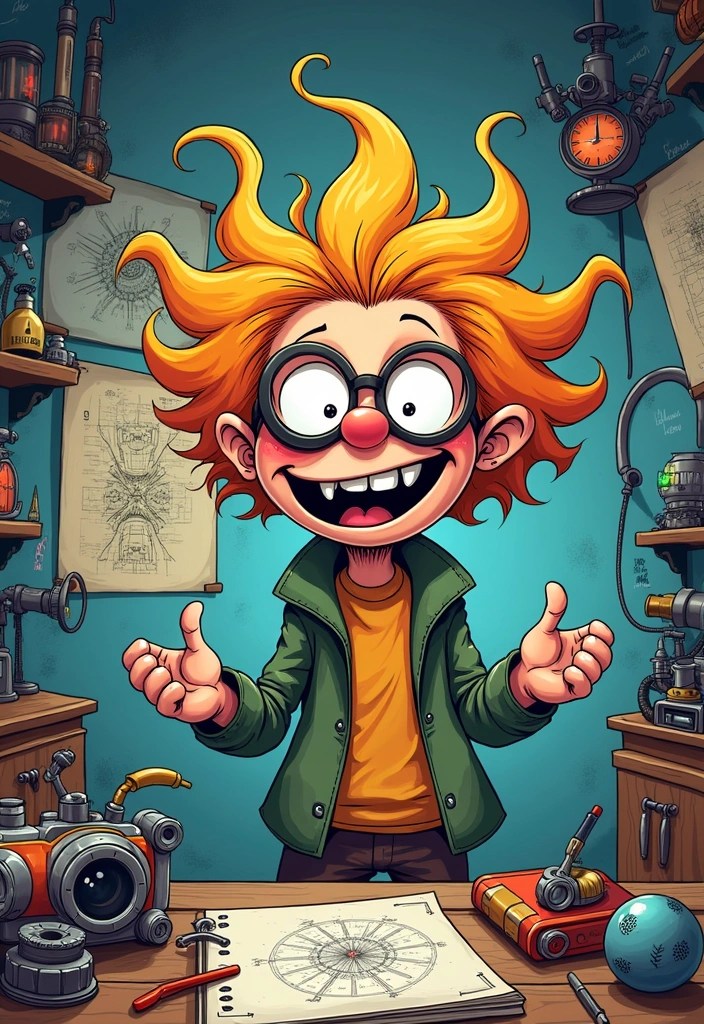
Eccentric geniuses add a delightful twist to stories with their quirky perspectives and unpredictable behavior.
These characters often challenge the norm and inspire creativity, making them memorable and engaging.
Think of characters like Sherlock Holmes or Doc Brown from Back to the Future, who showcase intelligence intertwined with unique quirks.
Their unpredictable nature keeps readers guessing and adds a layer of intrigue to the plot.
3. The Reluctant Hero

The reluctant hero is a character who initially resists the call to adventure, often due to fear, doubt, or personal conflict.
This trait adds depth and complexity, allowing for significant character development and growth throughout the story.
Readers are drawn to their internal struggles, making their eventual acceptance of the hero’s journey all the more rewarding.
Examples include Frodo Baggins from The Lord of the Rings and Katniss Everdeen from The Hunger Games.
4. The Loyal Friend

Loyal friends often serve as the backbone of any story, providing support and encouragement to the main character.
This trait emphasizes the importance of relationships and community, making the narrative feel more relatable and grounded.
Characters like Samwise Gamgee from The Lord of the Rings and Ron Weasley from Harry Potter exemplify unwavering loyalty that resonates with readers.
Their presence often facilitates pivotal moments in the storyline, showcasing the power of friendship.
5. The Wise Mentor

Wise mentors play a crucial role in character arcs, guiding protagonists through challenges with their experience and knowledge.
This trait not only enriches the narrative but also provides an opportunity for the character to impart important lessons.
Think of figures like Yoda from Star Wars or Mr. Miyagi from The Karate Kid, who embody wisdom and serve as catalysts for growth in the lead characters.
Their guidance often shapes the hero’s journey and personal development.
6. The Flawed Anti-Hero

Flawed anti-heroes bring a unique dynamic to storytelling, often blurring the lines between good and evil.
These characters are complex, relatable, and often face moral dilemmas that challenge their values.
Readers are drawn to their imperfections, making them intriguing and realistic.
Iconic anti-heroes like Walter White from Breaking Bad and Dexter Morgan from Dexter demonstrate how flaws can drive compelling narratives.
7. The Unlikely Survivor

Unlikely survivors are characters who endure against incredible odds, often defying expectations to emerge victorious.
This trait instills a sense of hope and resilience in readers, showcasing the strength of the human spirit.
Think of characters like Elizabeth Bennet from Pride and Prejudice or Katniss Everdeen from The Hunger Games, who navigate immense challenges and come out stronger.
Their journey reflects the essence of survival and adaptability.
8. The Passionate Idealist

Passionate idealists are driven by their beliefs and dreams, often challenging societal norms in pursuit of their goals.
This trait infuses narratives with passion and inspiration, showcasing the power of conviction.
Characters like Atticus Finch from To Kill a Mockingbird and Elizabeth Bennet from Pride and Prejudice exemplify how idealism can lead to profound change.
Their determination ignites readers’ imaginations and encourages them to chase their dreams.
9. The Cynical Realist

Cynical realists bring a grounded perspective to storytelling, often challenging idealism with their pragmatic views.
This trait adds tension and conflict, creating a dynamic narrative that keeps readers engaged.
Characters like Holden Caulfield from The Catcher in the Rye and Tyrion Lannister from Game of Thrones exemplify this trait, offering sharp wit and critical insights.
Their realism often serves as a counterbalance to more idealistic characters.
10. The Curious Adventurer

Curious adventurers embody the spirit of exploration, often seeking new experiences and knowledge.
This trait adds excitement and spontaneity to narratives, inviting readers to join in on thrilling journeys.
Characters like Indiana Jones and Alice from Alice’s Adventures in Wonderland exemplify curiosity, driving the plot forward through their adventures.
Their fearless nature encourages readers to embrace the unknown.
11. The Silent Observer

Silent observers possess a unique perspective on the world, often providing poignant insights without uttering many words.
This trait adds depth to characters, highlighting the power of observation and reflection.
Characters like Boo Radley from To Kill a Mockingbird or the narrator from The Catcher in the Rye reveal how silence can speak volumes.
Their quiet strength often shapes the narrative in unexpected ways.
12. The Charismatic Leader

Charismatic leaders naturally draw people to them, often inspiring loyalty and admiration.
This trait enriches narratives with themes of leadership and influence, showcasing the power of charisma.
Characters like Martin Luther King Jr. and Aragorn from The Lord of the Rings embody this trait, leading others toward a greater cause.
Their magnetic presence captivates readers and adds a layer of complexity to the story.
13. The Haunted Past

Characters with a haunted past often grapple with their history, shaping their present and influencing their actions.
This trait adds emotional depth and complexity, allowing for rich character arcs and development.
Figures like Batman or Jay Gatsby embody this trait, as their past traumas fuel their motivations and drive the narrative forward.
Readers are drawn to their struggles, making them relatable and compelling.
14. The Fearless Dreamer

Fearless dreamers embody the spirit of ambition and creativity, often pursuing their dreams against all odds.
This trait inspires readers to embrace their aspirations and challenges societal limitations.
Characters like Jo March from Little Women and Steve Jobs exemplify this trait, showcasing the power of vision and determination.
Their journeys often resonate with readers, encouraging them to chase their dreams fearlessly.
15. The Empathetic Healer

Empathetic healers possess an innate ability to connect with others, often providing comfort and understanding.
This trait adds a layer of compassion and emotional depth to narratives, showcasing the importance of empathy in human relationships.
Characters like Atticus Finch from To Kill a Mockingbird and Marge Gunderson from Fargo exemplify this trait, often serving as moral compasses in their stories.
Their kindness resonates with readers, providing a sense of hope and healing.
Conclusion

Character traits are the lifeblood of your story, shaping narratives and connecting readers to your characters.
By incorporating these unforgettable traits, you can elevate your fiction and create memorable characters that resonate deeply with audiences.
Which traits will you choose to develop in your own characters? Let your imagination run wild!
 Dreams by Aurora
Leave a comment