
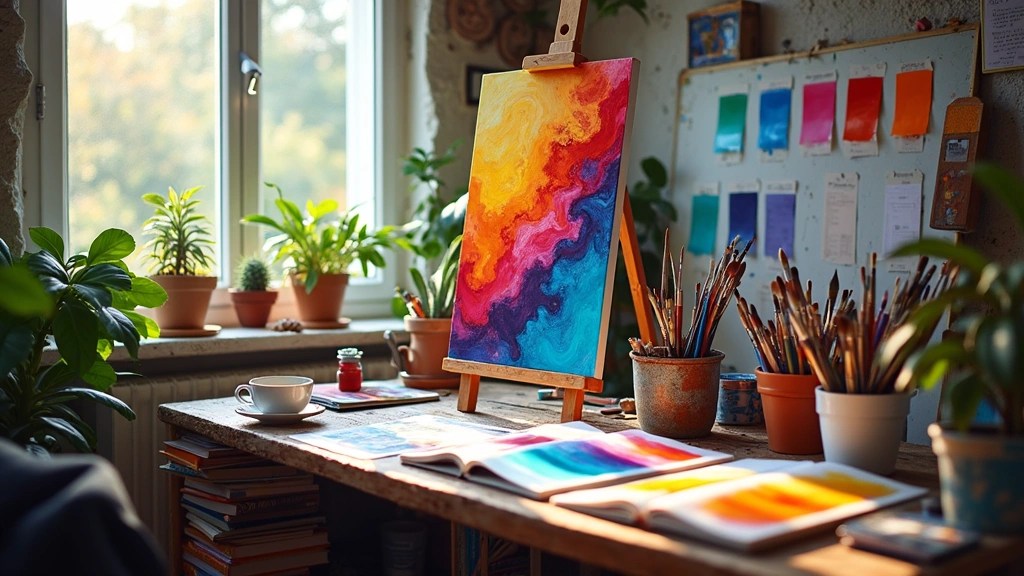
Color is not just a visual experience but a powerful emotional language that artists can harness to evoke feelings, tell stories, and create connections.
In this article, we will explore 21 essential tips on color psychology that every artist should embrace. Each tip will guide you in utilizing colors to enhance the emotional impact of your art, transforming your canvas into a vibrant reflection of human experiences.
Get ready to unlock the emotions in your art with vivid palettes and intentional choices!
1. Understand the Basics of Color Theory
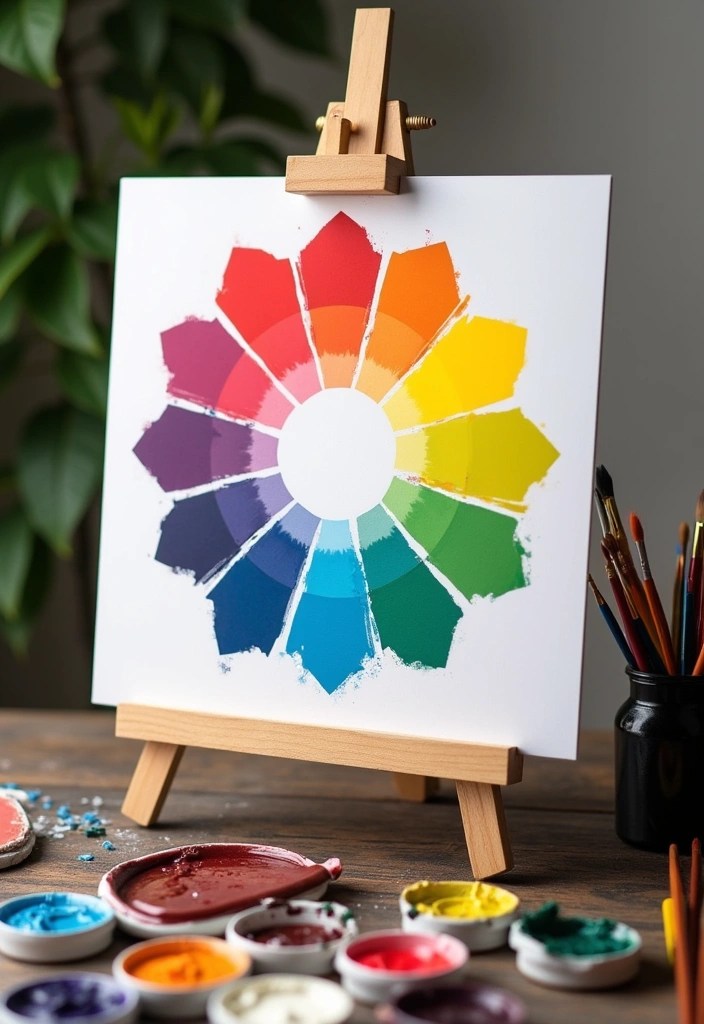
Before diving into the emotional aspects, it’s crucial to grasp the fundamentals of color theory. Understanding the color wheel—primary, secondary, and tertiary colors—can help you create harmonious combinations.
Complementary colors create contrast and drama, while analogous colors offer a serene blend. Knowing how colors interact can give depth to your work, making your audience feel a certain way without them even realizing it.
2. Red: The Color of Passion and Energy
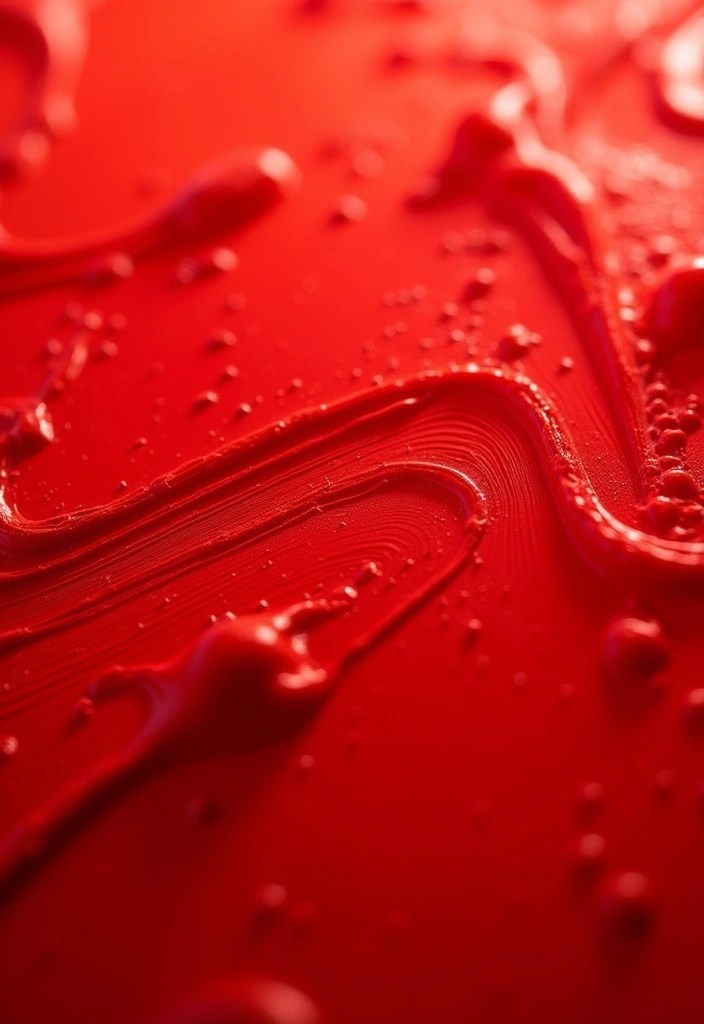
Red is synonymous with strong emotions—love, anger, and excitement. Using red in your artwork can draw immediate attention and provoke a visceral reaction from your audience.
Incorporate red strategically in your compositions, whether through bold strokes or subtle accents. Consider how different shades of red can influence intensity; a bright cherry red feels vibrant and lively, while a deep burgundy can evoke a sense of mystery or depth.
3. Blue: The Color of Calm and Trust

Blue is often associated with tranquility, trust, and professionalism. Utilizing shades of blue in your art can create a peaceful ambiance, making viewers feel at ease.
Lighter blues can evoke feelings of serenity and openness, while darker blues can convey depth and stability. Use blue to balance out warmer colors in your palette, ensuring a harmonious and thoughtful composition.
4. Yellow: The Color of Happiness and Optimism
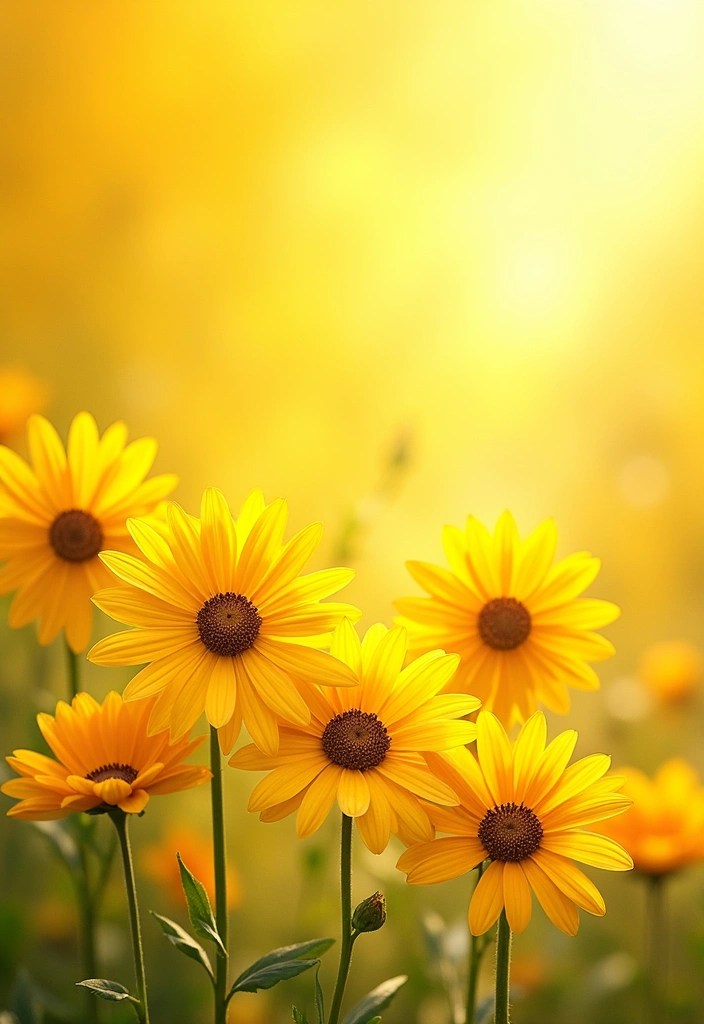
Yellow radiates warmth, joy, and positivity. It can uplift spirits and stimulate creativity, making it a great choice for artwork intended to inspire and energize.
However, too much yellow can become overwhelming, so use it sparingly as an accent or within a palette that includes balancing colors. Experiment with shades of yellow to find the right tone that resonates with the emotions you want to convey.
5. Green: The Color of Nature and Renewal
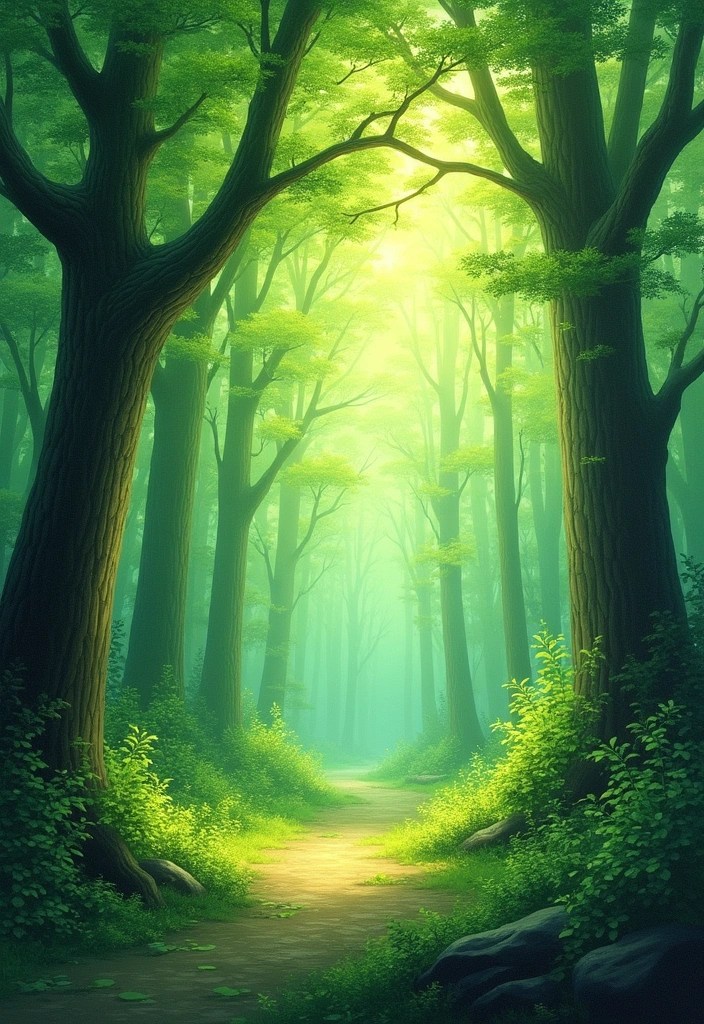
Green embodies nature, growth, and renewal. It can evoke feelings of peace and balance, making it ideal for artworks that reflect organic themes or tranquility.
Different shades of green can communicate various messages; for instance, bright greens can feel refreshing and energetic, while darker greens may feel more grounded and secure. Use green to create a connection with the natural world in your art.
6. Orange: The Color of Creativity and Enthusiasm
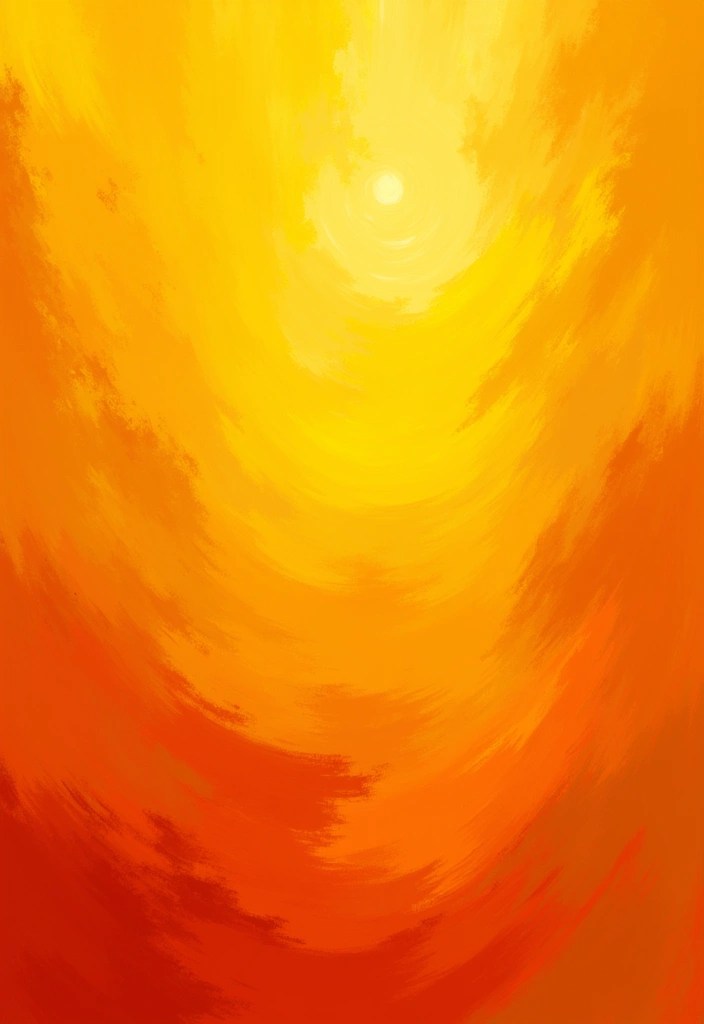
Orange is lively, energetic, and welcoming. It embodies enthusiasm and creativity, making it a fantastic choice for artists looking to inspire action or joy in their audience.
When using orange, consider how it pairs with other colors; for example, combining it with blue creates a dynamic contrast, while pairing it with yellow enhances the sense of warmth and happiness. Use it to draw attention or as a focal point in your composition.
7. Purple: The Color of Luxury and Mystery
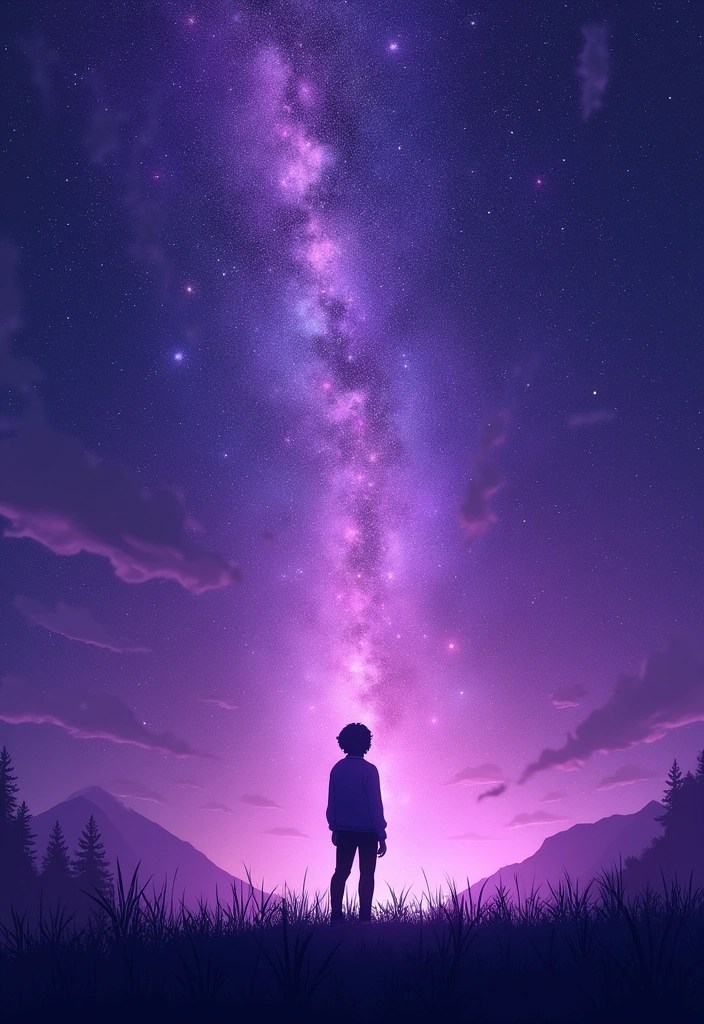
Purple is often associated with luxury, mystery, and spirituality. It can evoke a sense of creativity and imagination, making it perfect for artistic expressions that delve into deeper themes.
The richness of purple can add depth to your artwork, especially when combined with gold or silver accents. Experiment with both light lavenders and deep plums to evoke different emotional responses in your viewers.
8. Black: The Color of Elegance and Mystery
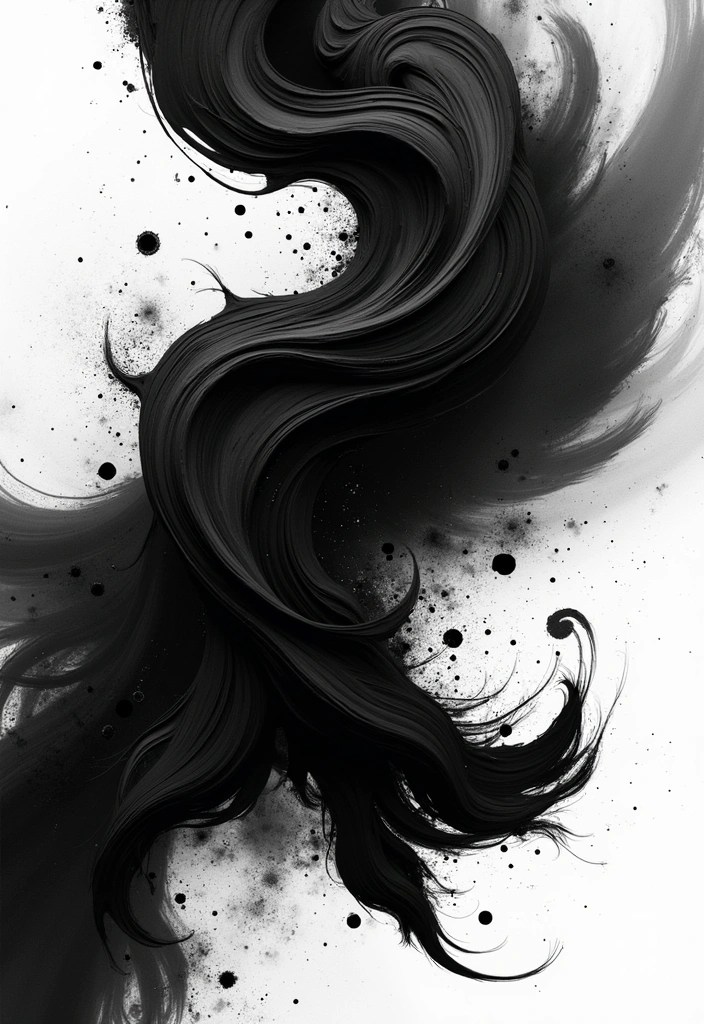
Black can symbolize elegance and sophistication, yet it also carries a sense of mystery or somberness. In art, black can create powerful contrasts and highlights, drawing attention to other colors and shapes.
Use black thoughtfully; it can ground a piece or create dramatic effects when juxtaposed with lighter colors. It also works well in minimalist art, where it can convey strength and simplicity.
9. Brown: The Color of Stability and Warmth
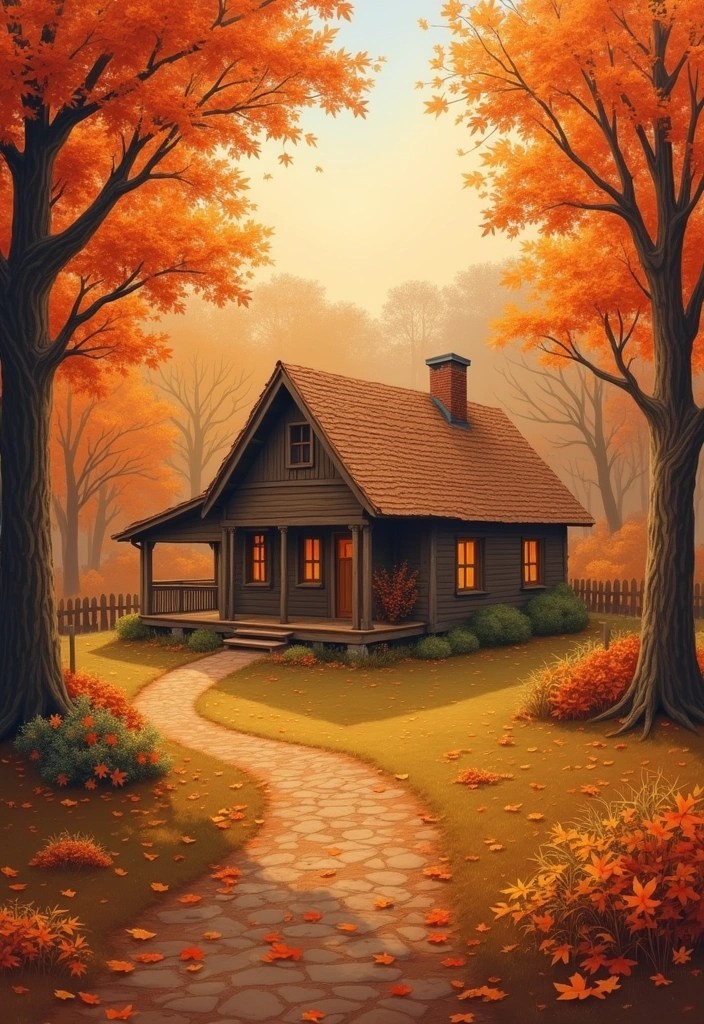
Brown evokes feelings of stability, warmth, and comfort. It connects to the earth and can create a sense of security in your art.
Using browns can ground your compositions and can be particularly effective in landscapes or portraits. Experiment with different tones—from light beige to rich chocolate—to find the right warmth for your piece.
10. White: The Color of Purity and Simplicity

White represents purity, simplicity, and clarity. It can provide balance to your artwork, allowing other colors to pop and shine.
Incorporate white as a negative space to create breathing room in your compositions, enhancing the overall impact. Consider using textures or layering techniques with white to add depth and interest.
11. Color Combinations That Evoke Specific Emotions

Understanding how colors interact can help you create specific emotional responses. For instance, a combination of blue and yellow can evoke feelings of happiness and tranquility, while red and black can generate passion and intensity.
Experiment with various combinations in your sketches or color palettes to see what emotions they elicit. This practice will enhance your ability to communicate through your art effectively.
12. Use Color to Tell a Story

Every artwork tells a story, and color plays a pivotal role in how that narrative unfolds. Consider how color choices reflect the mood and atmosphere of the story you want to convey.
For example, warm colors can suggest comfort and joy, while cooler tones may reflect sadness or contemplation. Work on integrating color into your storytelling to create a more immersive experience for your audience.
13. Color in Art Therapy

Color psychology is widely used in art therapy to encourage emotional healing and expression. Different colors can evoke specific emotions, making them powerful tools for therapy.
As an artist, understanding how colors can facilitate healing can enhance your practice and connect you with others. Use your knowledge of color psychology to create pieces that resonate on a deeper emotional level.
14. Experiment with Color Gradients
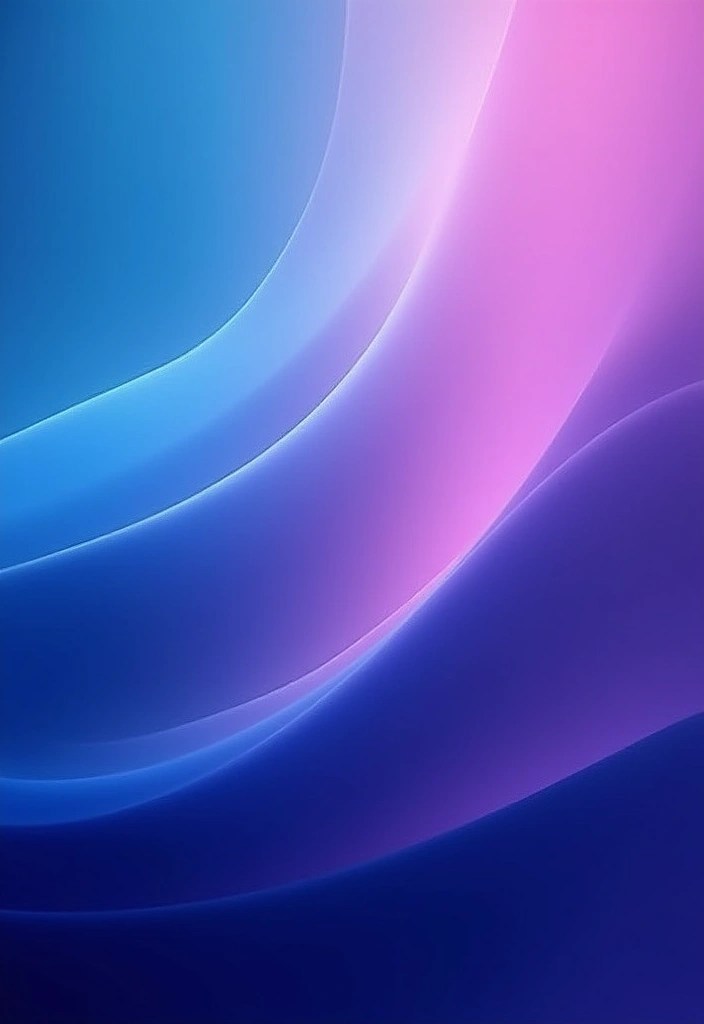
Color gradients can add depth and dimension to your artwork, creating a visual flow that guides the viewer’s eye. Gradients can also evoke emotional transitions, such as moving from light to dark or warm to cool.
Experiment with blending colors seamlessly to create a captivating atmosphere in your pieces. This technique not only enhances visual appeal but also enriches the emotional narrative of your art.
15. Consider Cultural Color Associations
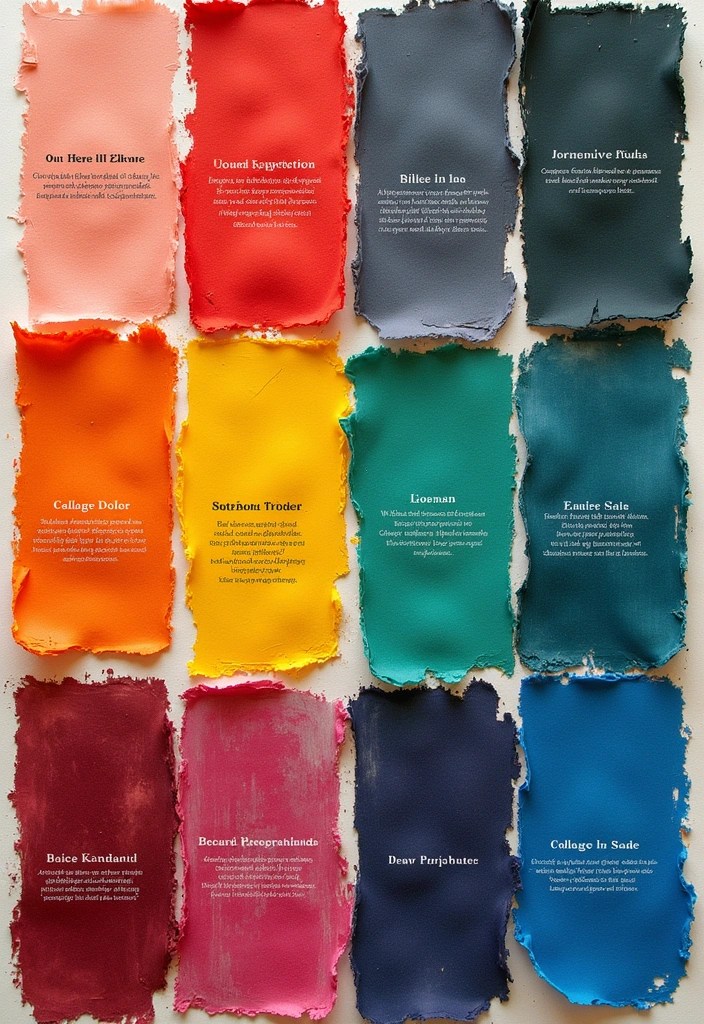
Colors carry different meanings across cultures, and being aware of these associations can enhance your artwork’s emotional impact. For example, white symbolizes purity in Western cultures but can represent mourning in some Eastern cultures.
Research the cultural significance of colors relevant to your art to ensure your message is received as intended. This awareness can deepen your connections with diverse audiences.
16. The Emotional Impact of Light and Shadow
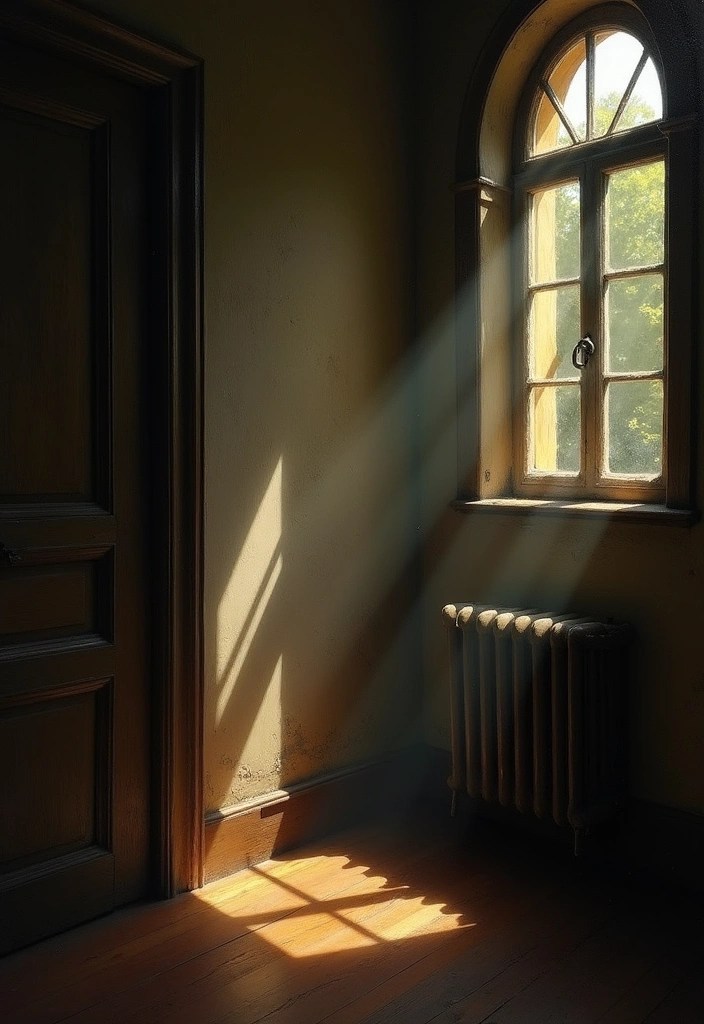
Light and shadow can dramatically influence the emotional tone of your artwork, regardless of the colors used. High contrast can create tension or focus, while softer gradients can evoke serenity or nostalgia.
Experiment with how light interacts with your colors to enhance the emotional narrative. Use shadows to create depth and dimension, allowing your piece to breathe and resonate with viewers.
17. Color and Mood in Abstract Art
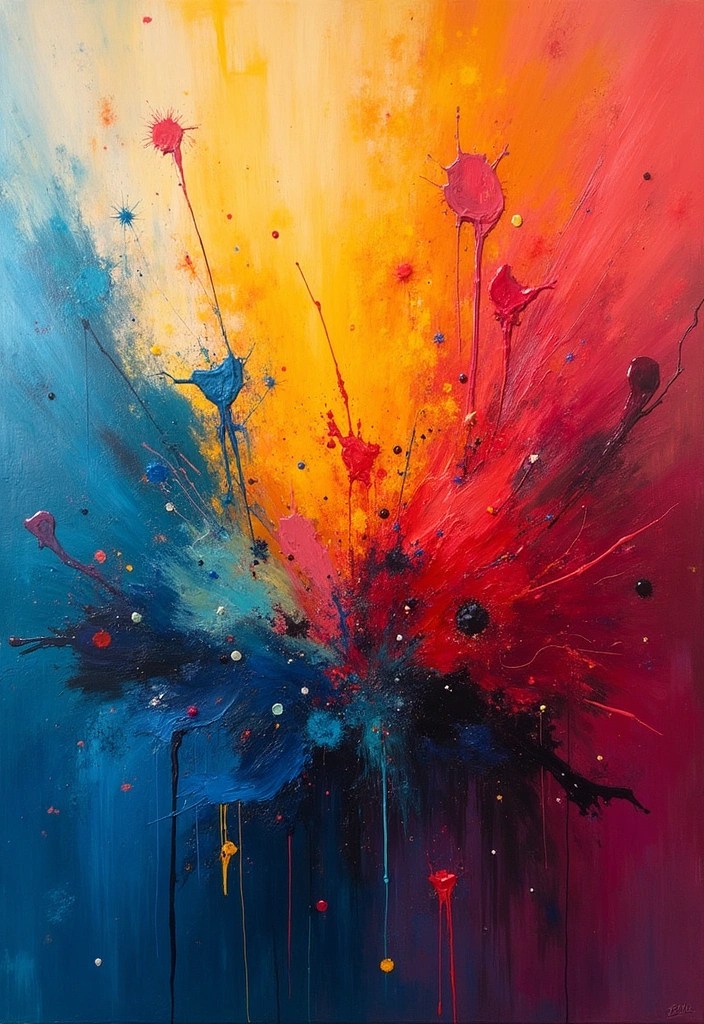
Abstract art offers a unique opportunity to explore color and emotion without the constraints of realism. Color choices can express complex feelings and evoke powerful responses in viewers.
Dive into the realm of abstract painting by experimenting with color combinations that reflect your mood or message. Embrace spontaneity, allowing your emotions to guide your brushstrokes and color choices.
18. The Role of Color in Branding and Identity
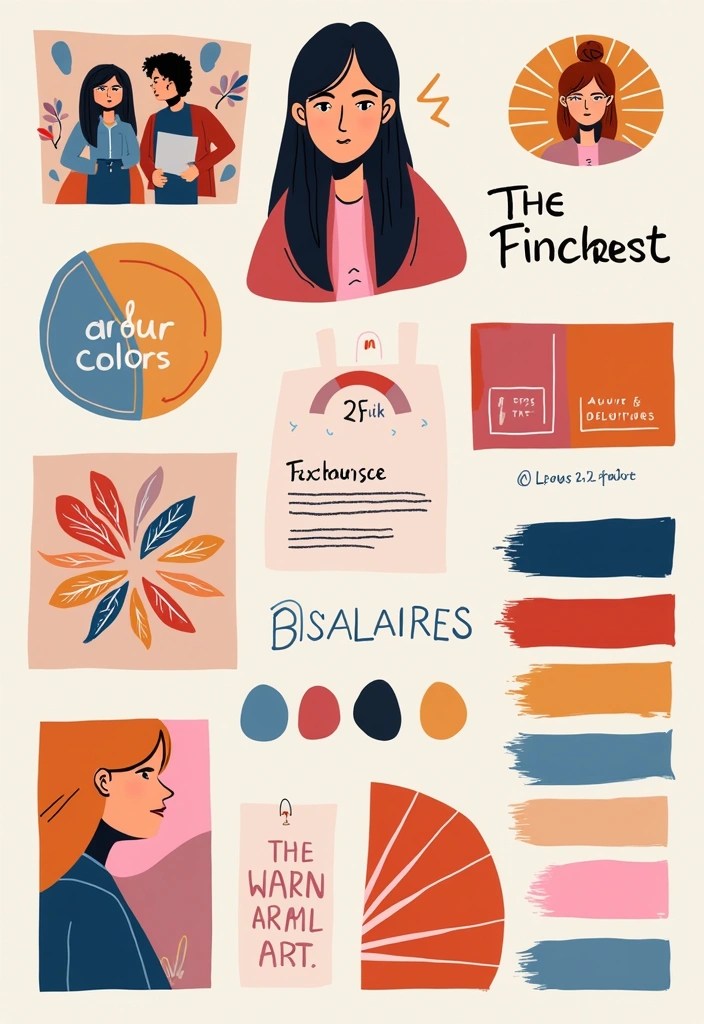
As an artist, understanding the psychological impact of color on branding can elevate your personal brand or business. Colors can shape perceptions and evoke emotions, making them crucial for creating a memorable identity.
Consider how your color choices align with your artistic vision and how they can communicate your message to your audience. A consistent palette can enhance recognition and connection.
19. Using Color to Evoke Time and Place
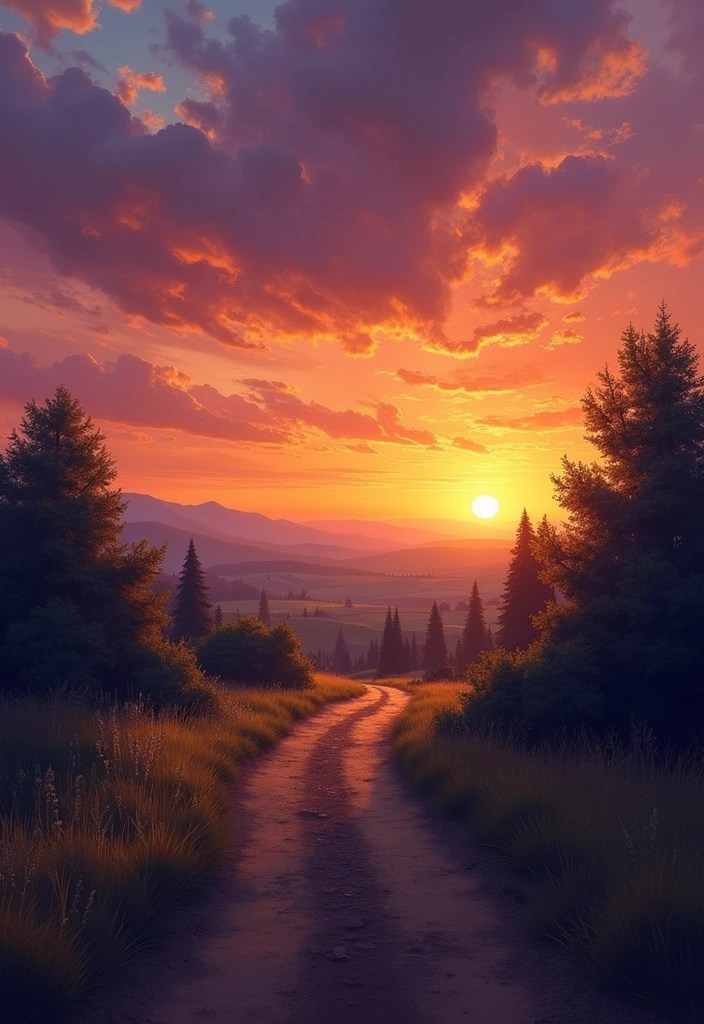
Colors can also evoke specific times of day or seasons, providing context and atmosphere in your artwork. Warm colors can suggest a sunrise or sunset, while cool colors can reflect a winter’s chill.
Utilize these associations to set the scene and mood in your pieces. Think about how color can transport viewers to different times and places, enriching their experience.
20. Create a Color Mood Board
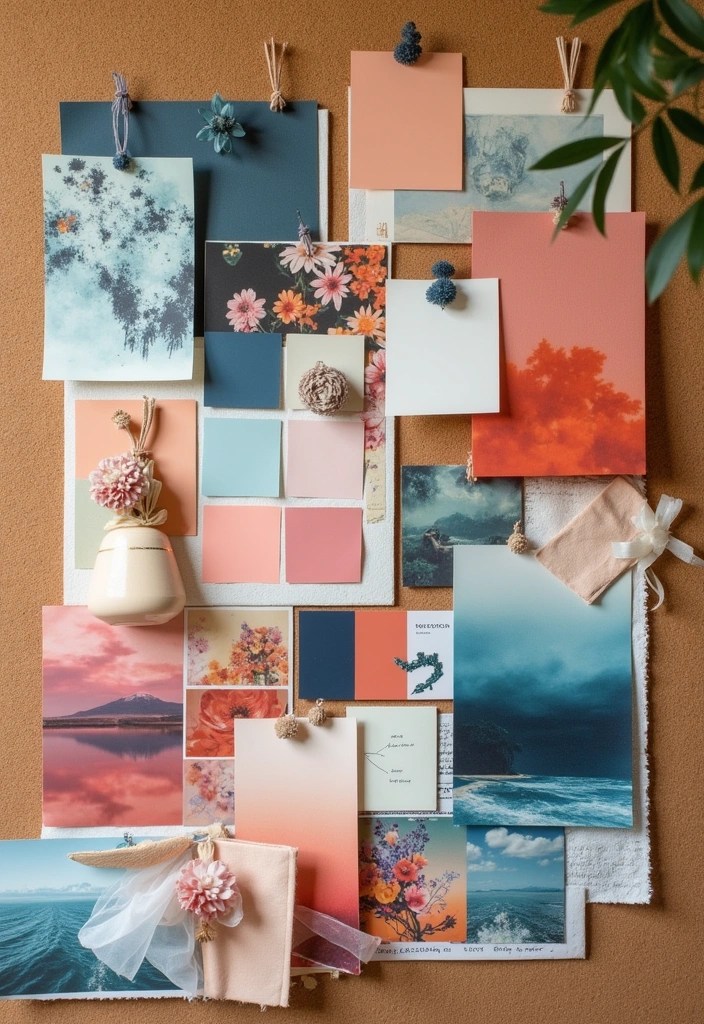
Developing a color mood board can help you visualize the emotional tone of your artwork before starting. Collect images, colors, and textures that resonate with the feelings you want to convey.
This exercise can serve as inspiration and guide your color choices throughout the creative process. A mood board not only organizes your thoughts but also ignites your creativity!
21. Reflect on Your Emotional Journey with Color
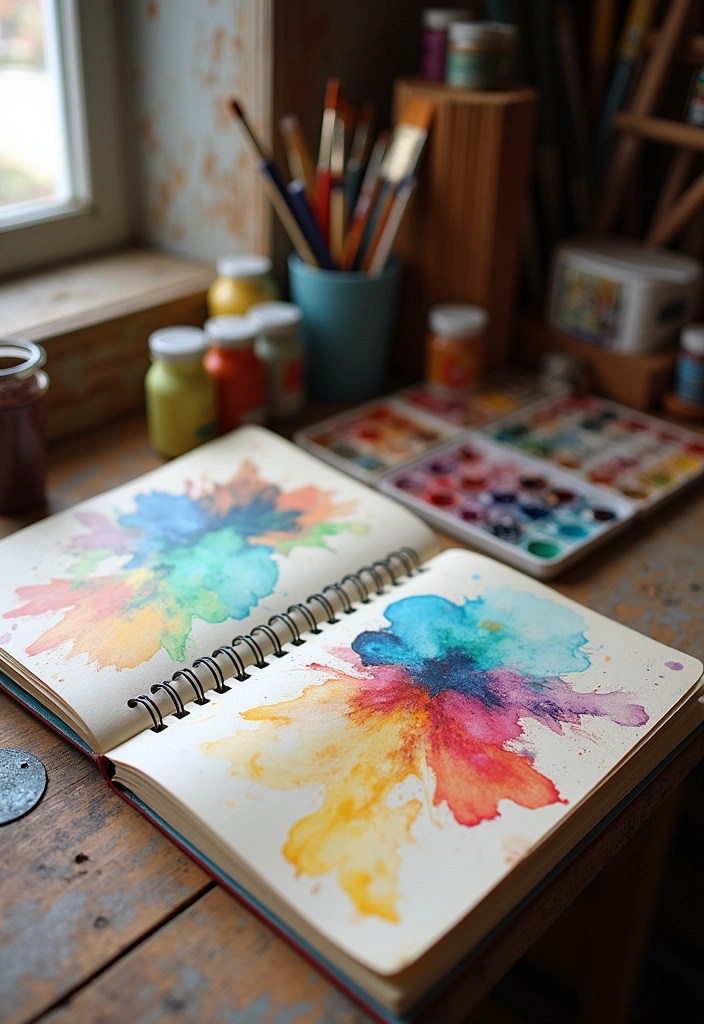
Finally, take time to reflect on your own emotional journey with color. Each artist has unique experiences and associations with colors, and tapping into these personal connections can enrich your artwork.
Consider keeping a color journal where you document your feelings and thoughts about different colors as they relate to your art. This practice will deepen your understanding of how color influences your emotional expression.
Conclusion
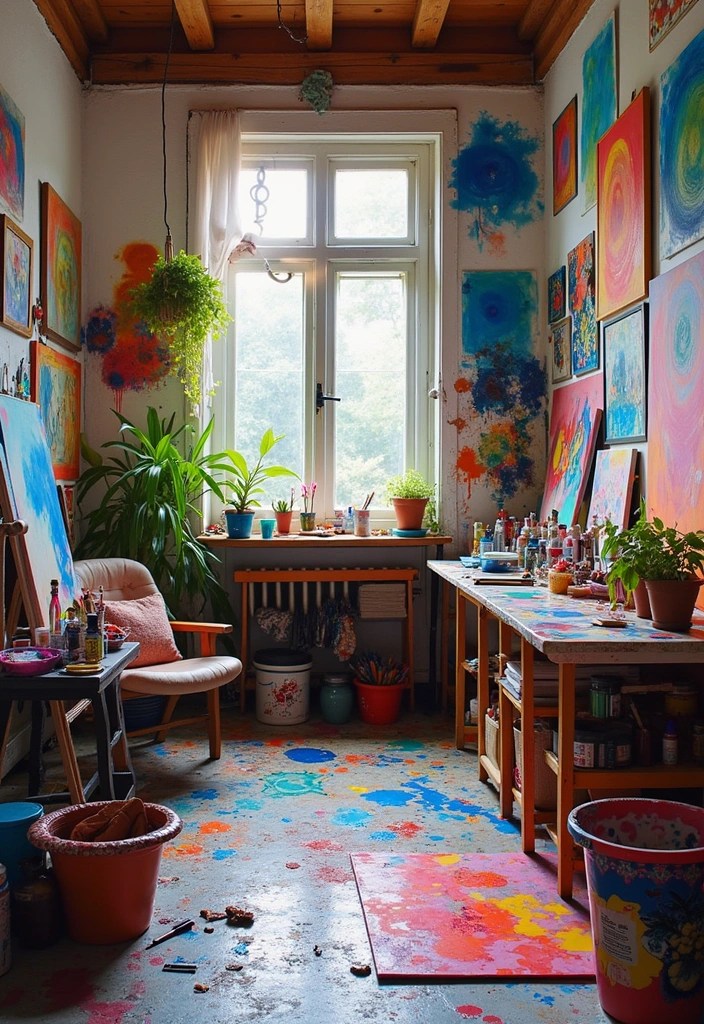
Mastering color psychology can elevate your artwork, allowing you to connect with your audience on a deeper emotional level.
By experimenting with color choices, combinations, and techniques, you can create pieces that not only capture attention but also evoke profound feelings and experiences. Embrace the power of color in your art journey and let your creativity shine!
 Dreams by Aurora
Leave a comment