
Abstract photography opens up a world of imagination, allowing us to capture emotions, thoughts, and hidden layers of reality in striking visual forms.
This listicle presents 15 inspiring ideas that will not only ignite your creativity but also push the boundaries of your artistic expression.
From exploring light and shadow to experimenting with colors and textures, these concepts will empower you to transform everyday scenes into extraordinary works of art.
1. Light Trails: Capturing Motion in Stillness

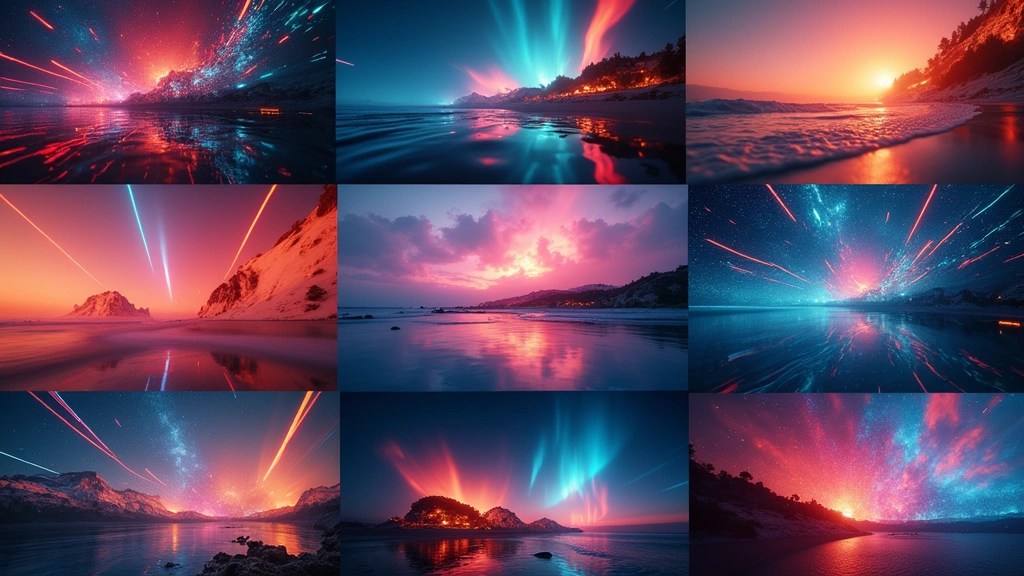
Light trails in abstract photography create a mesmerizing dance of colors that captivates the viewer. By using long exposure settings, you can capture the paths of moving lights, such as car headlights or fireworks, producing a dynamic blend of hues that evoke energy and excitement.
Experiment with different settings to manipulate the light’s movement and direction, allowing for unique compositions that illustrate the rhythm of motion. The beauty lies in the unexpected patterns and vibrant colors that emerge, offering a fresh perspective on familiar scenes.
2. Macro Mystique: Delving into the Small
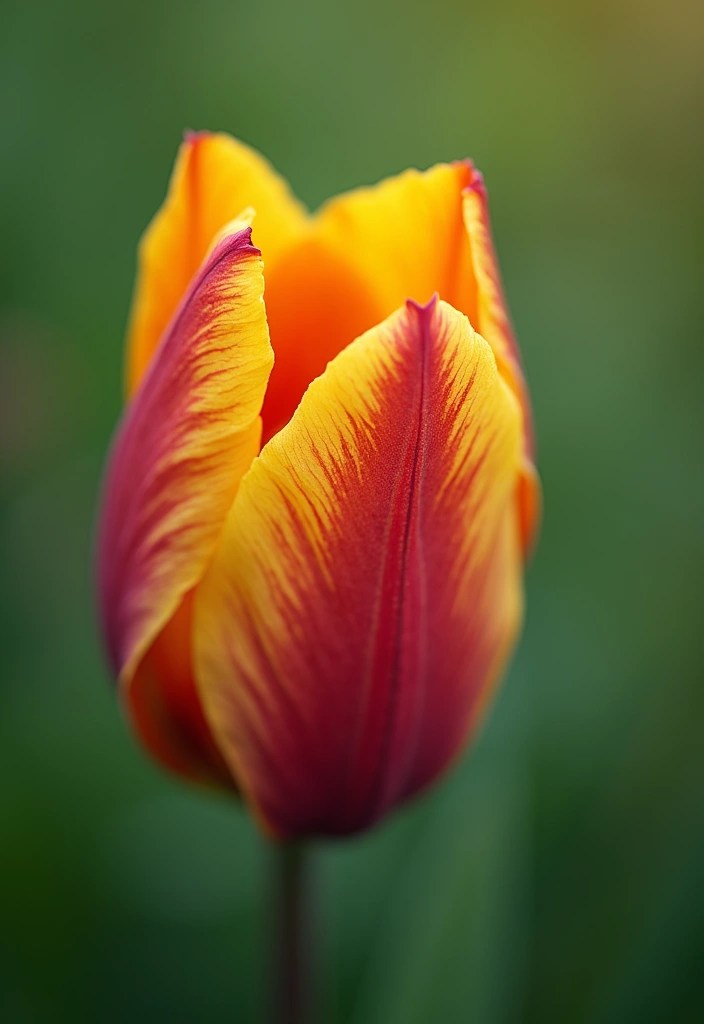
Macro photography invites you to explore the intricate details of everyday objects, transforming them into abstract masterpieces. By focusing on the minute textures of flowers, insects, or household items, you can reveal patterns and colors often overlooked.
Using a macro lens, you can capture the delicate filaments of a flower or the glittering surface of a droplet, creating stunning visuals that invite viewers to see the world anew. This approach encourages a deeper appreciation for the beauty in the small, often mundane aspects of life.
3. Reflections: The Art of Mirror Images
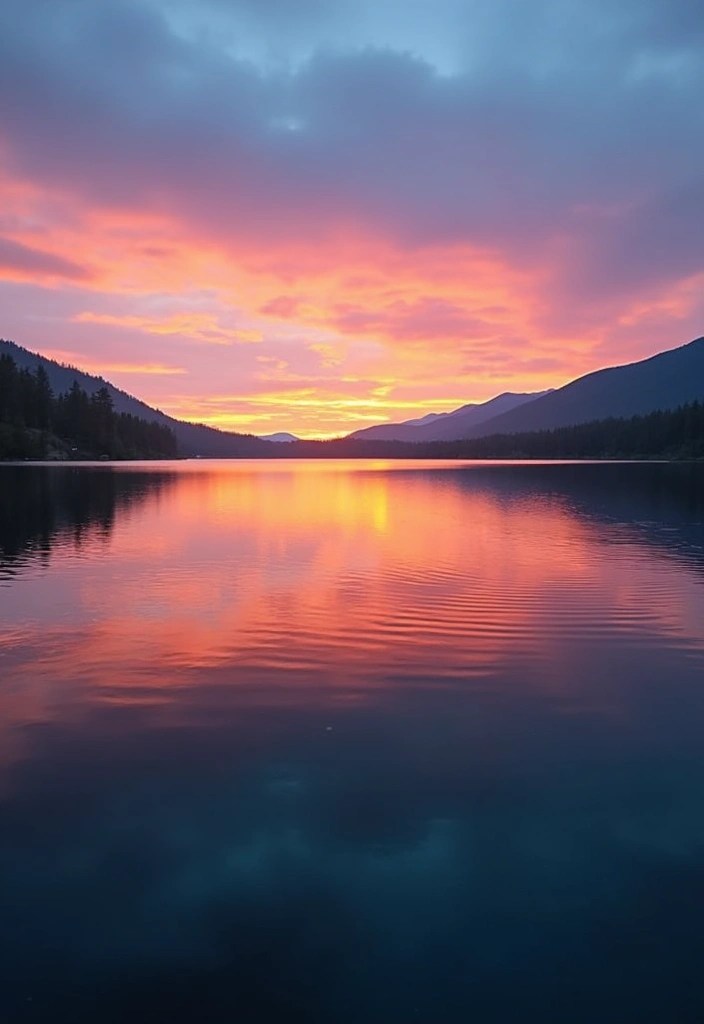
Reflections create a stunning interplay of reality and illusion in abstract photography. By capturing mirrored surfaces—like water, glass, or polished metal—you can create dreamlike compositions that challenge perception.
Experiment with angles and perspectives to highlight the symmetry or distortion caused by reflective surfaces, allowing for striking, abstract interpretations of your surroundings. This style can evoke a sense of tranquility or surrealism, depending on the context of the reflection.
4. Color Overload: Bold and Bright
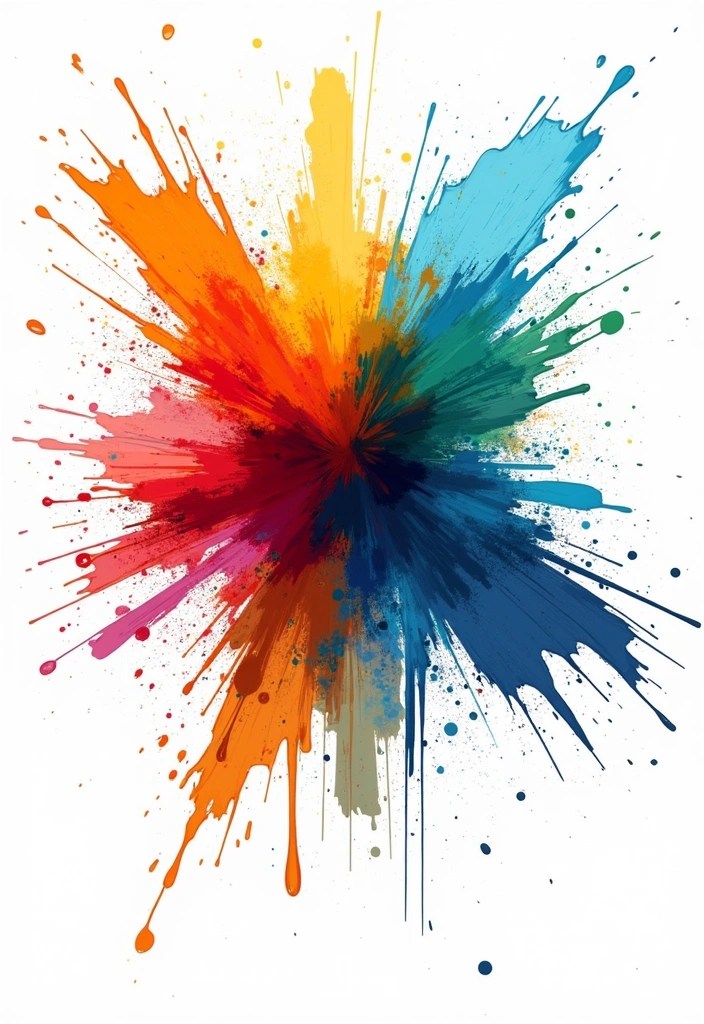
Color is a powerful tool in abstract photography, capable of conveying emotions and setting the mood of an image. Embrace bold, saturated colors by utilizing vibrant subjects or creative post-processing techniques.
Consider photographing colorful objects like paint splashes, fabrics, or even food, arranging them in a way that draws the eye and creates a sense of movement. The juxtaposition of contrasting colors can evoke strong feelings and stimulate the imagination, making your work unforgettable.
5. Texture Play: Emphasizing the Tangible

Textures add depth and interest to abstract photography, allowing you to create rich, tactile images that invite viewers to explore visually. Look for surfaces with unique patterns, such as weathered wood, rough stone, or soft fabric, capturing them in a way that emphasizes their tactile qualities.
Utilizing side lighting can help accentuate these textures, creating dramatic shadows and highlights that bring your subject to life. This style not only enhances the visual appeal but also evokes a sensory experience for the viewer.
6. Minimalism: Less is More
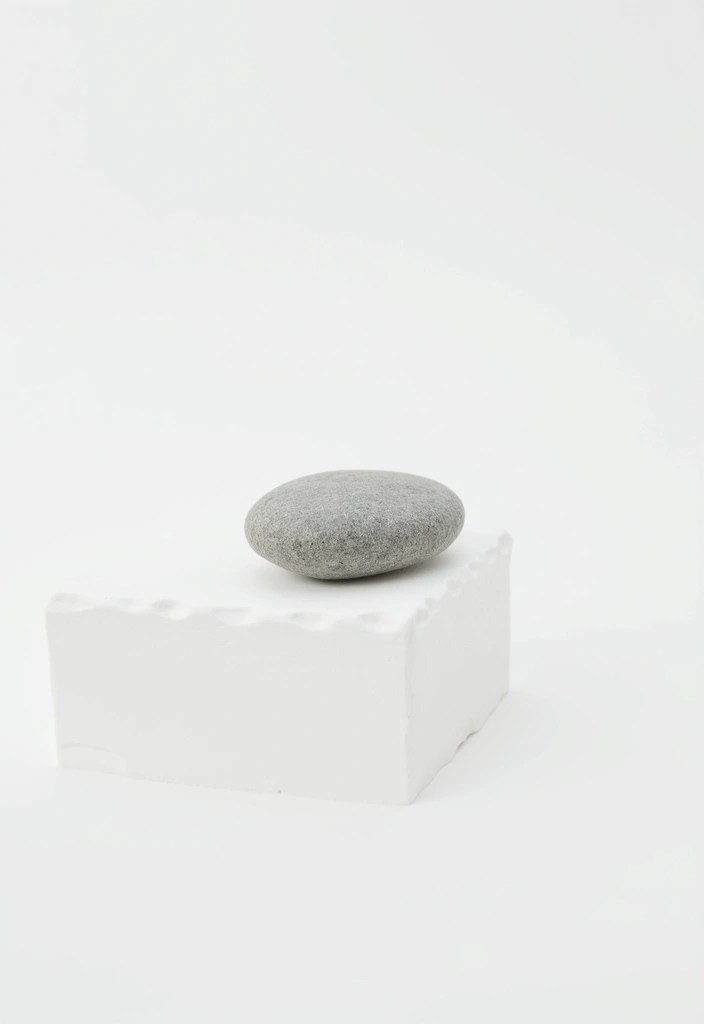
Minimalist abstract photography focuses on simplicity, using negative space to create powerful images that evoke emotion and thought. By stripping away distractions, you allow the viewer to concentrate on the subject and its inherent beauty.
Explore isolated objects against plain backgrounds or capture patterns and shapes that convey a minimalist aesthetic. This style encourages a contemplative approach, inviting viewers to reflect on the essence of the subject and its surroundings.
7. Surreal Compositions: Dreamscapes and Fantasies
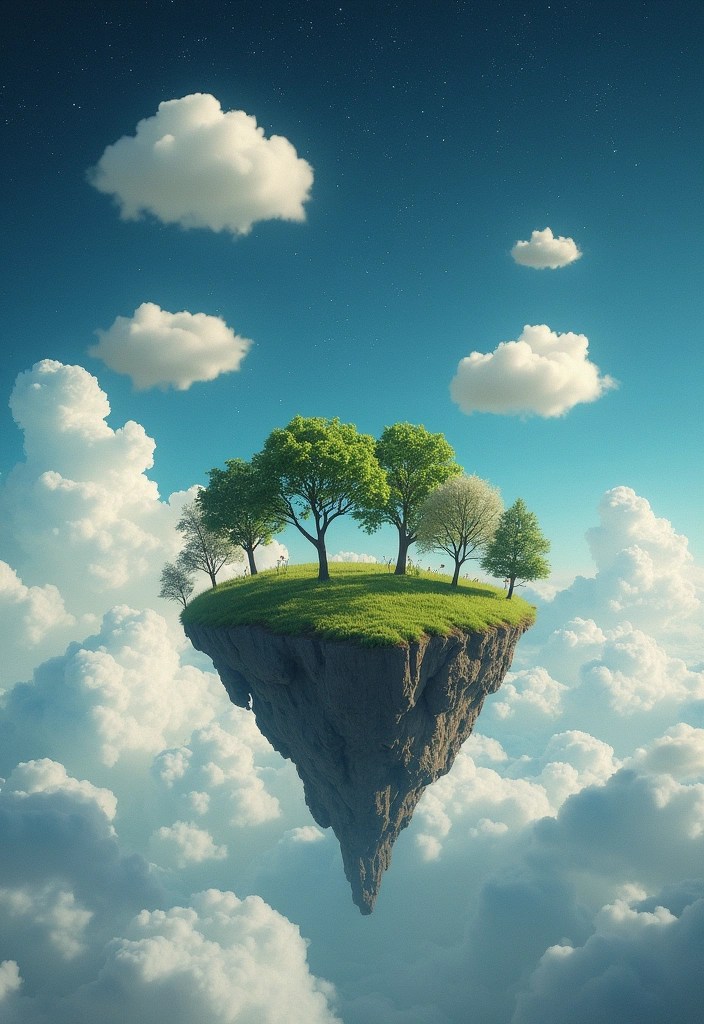
Surrealism in abstract photography allows you to blend reality with imagination, creating dreamlike scenes that challenge the viewer’s perception. By combining multiple images or using digital manipulation, you can craft fantastical worlds that evoke wonder and intrigue.
Experiment with layering, blending modes, and unexpected juxtapositions to create an otherworldly atmosphere. These compositions can serve as a visual representation of emotions or concepts, pushing the boundaries of traditional photography.
8. Motion Blur: The Essence of Movement
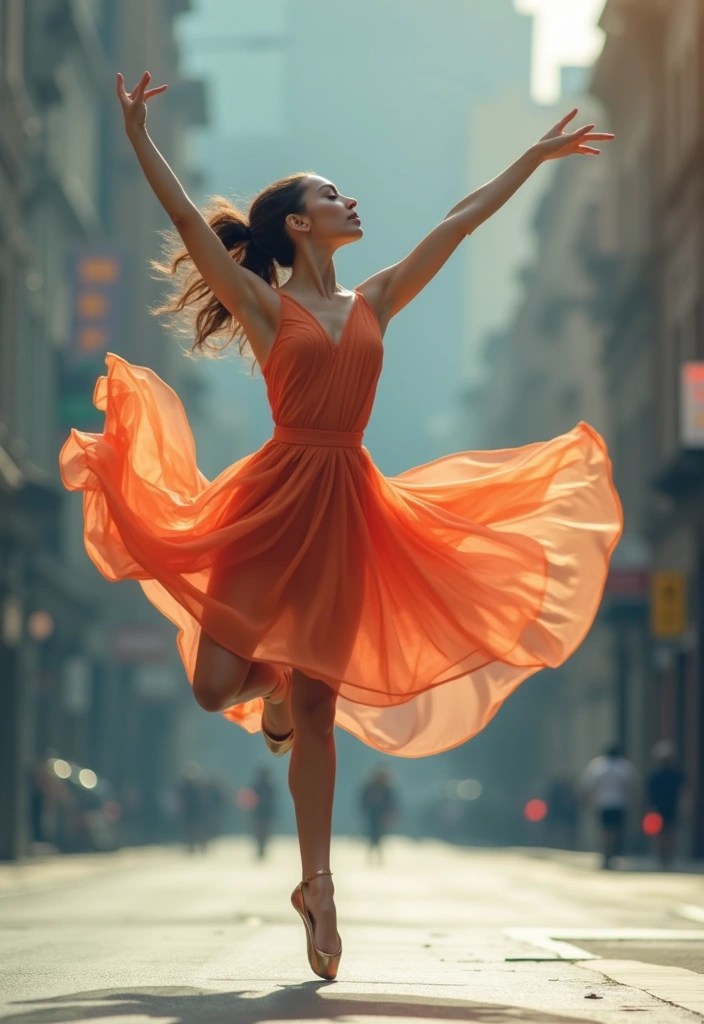
Motion blur captures the essence of movement, providing a unique perspective that static images cannot convey. By using slow shutter speeds or panning techniques, you can create dynamic images that illustrate the passage of time.
This technique works beautifully in sports, dance, or even bustling city scenes, where the sense of energy and activity can be visually communicated. The resulting images evoke a feeling of excitement and liveliness, drawing the viewer into the action.
9. Double Exposure: Merging Realities
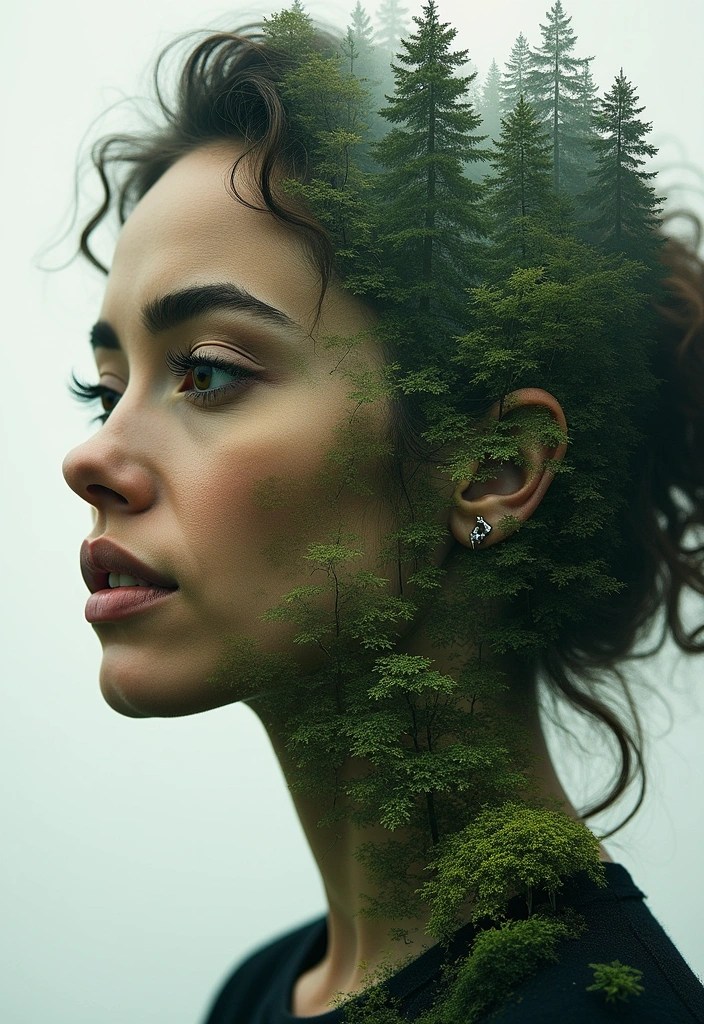
Double exposure photography combines two distinct images into one, creating a captivating blend that tells a story and evokes emotions. This technique can be achieved in-camera or through digital editing, inviting endless creative possibilities.
By layering images that complement each other—such as a portrait with a landscape—you can convey complex narratives or explore themes of identity and transformation. The ethereal quality of double exposure images captivates the viewer, encouraging them to interpret the layers in their own way.
10. Abstract Architecture: Lines and Shapes
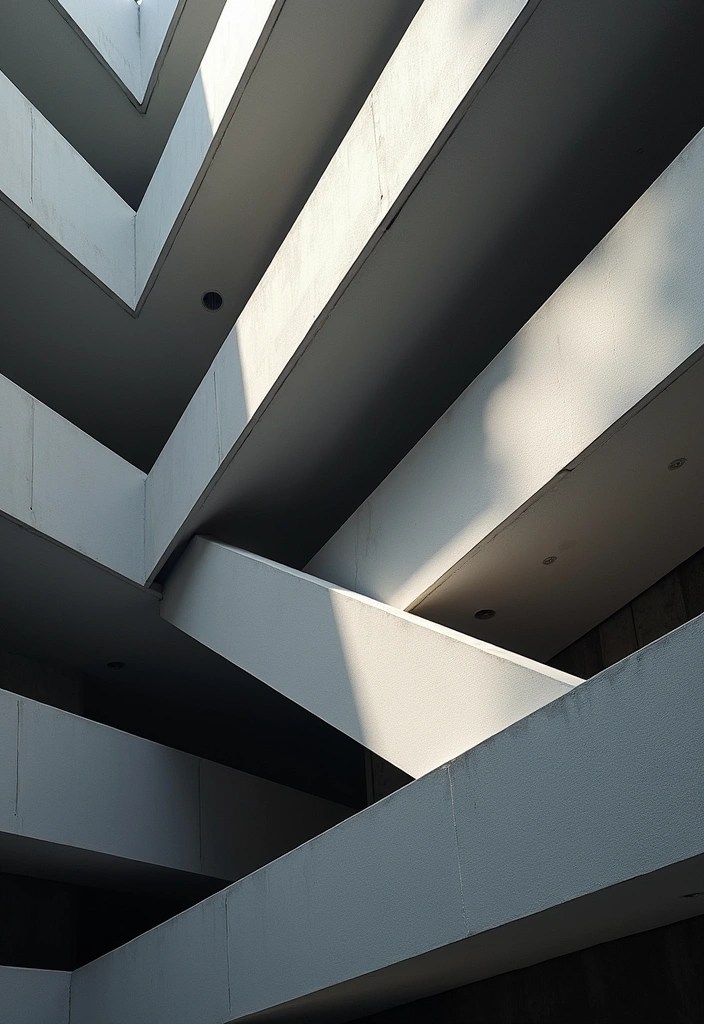
Architecture provides a wealth of abstract photography opportunities, from geometric shapes to intricate lines and patterns. By focusing on angles and perspectives, you can transform ordinary buildings into extraordinary compositions that emphasize form and structure.
Explore the interplay of light and shadow on architectural surfaces, capturing unique perspectives that highlight the beauty of design. This approach encourages viewers to appreciate the artistry of architecture while providing a fresh visual interpretation.
11. Negative Space: Creating Balance
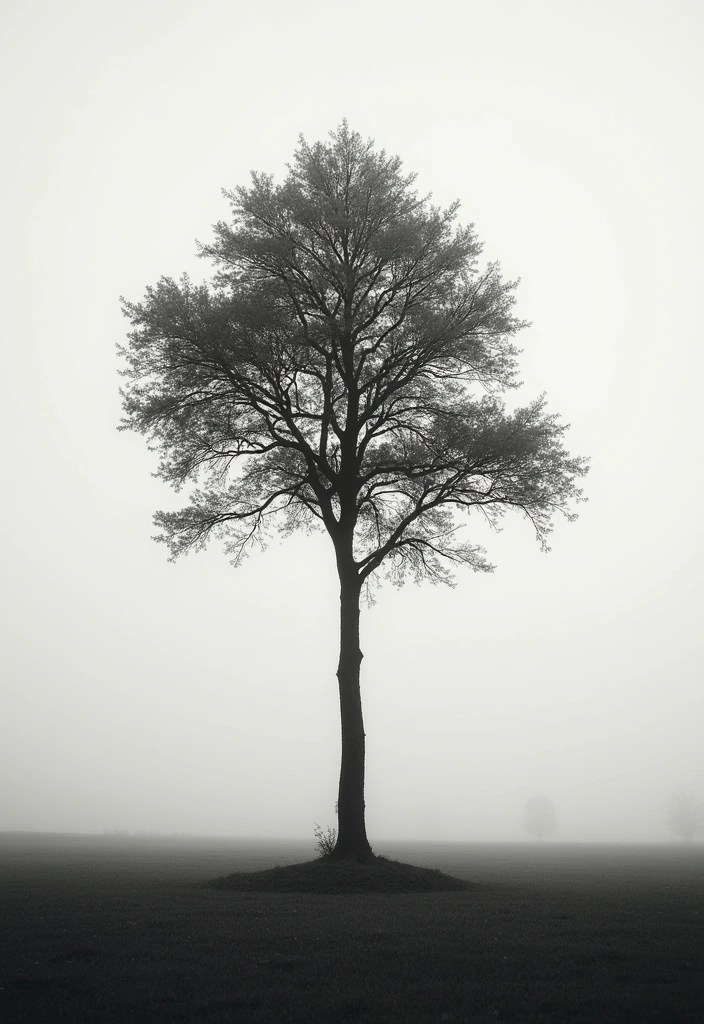
Negative space in abstract photography emphasizes the relationship between the subject and its surroundings, creating a sense of balance and harmony. By leaving ample space around your subject, you allow for a minimalist aesthetic that highlights the essence of the image.
This technique encourages careful composition, prompting you to consider how space interacts with the subject. The result is a striking visual that invites contemplation and appreciation for the simplicity of form.
12. Collage Art: Blending Techniques
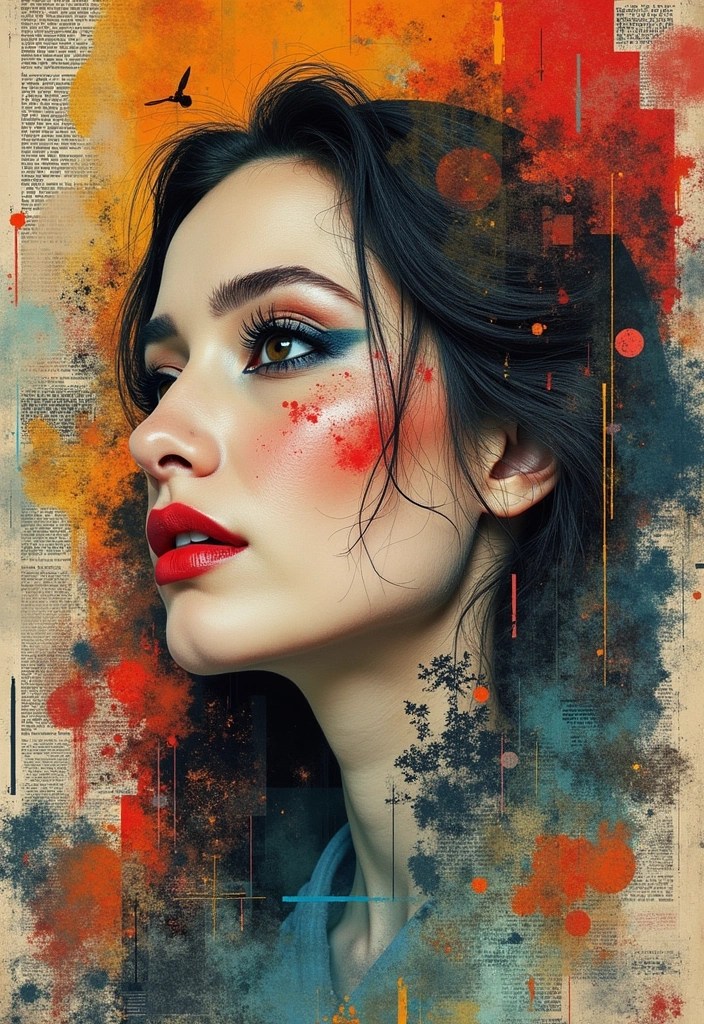
Collage art in abstract photography combines various images and textures, allowing you to create visually stimulating compositions that tell a story. By layering photographs, textures, and even illustrations, you can produce unique artworks that reflect your creative vision.
This technique encourages experimentation with materials and methods, resulting in diverse outcomes that showcase your artistic personality. Collage art can be both a physical and digital process, expanding your creative toolkit.
13. Patterns and Repetition: The Beauty of Order
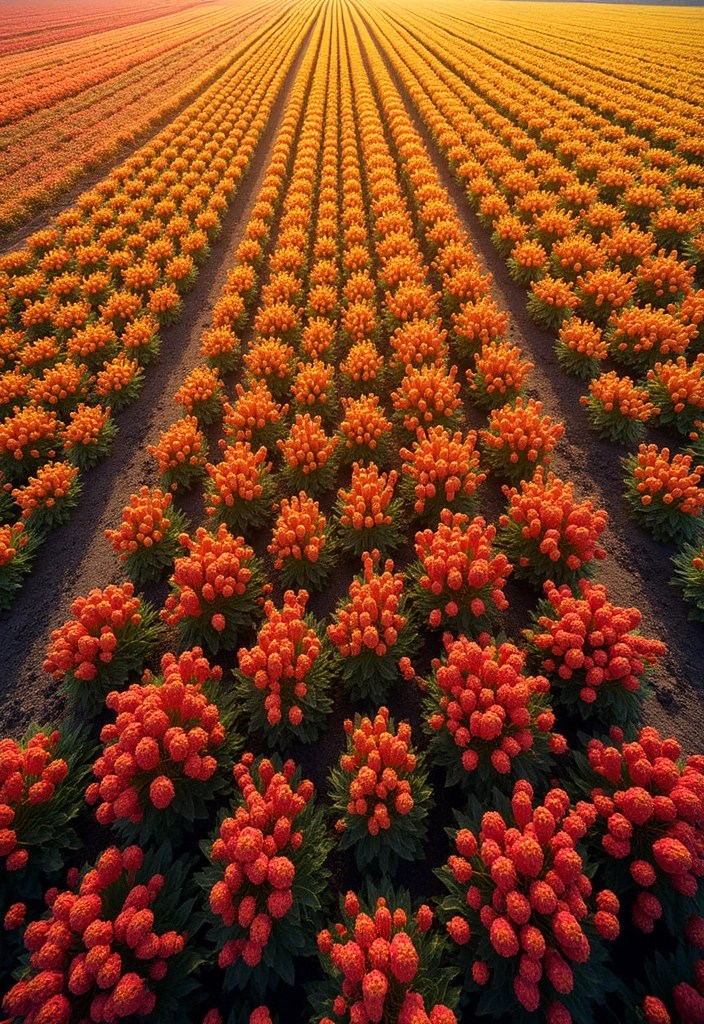
Patterns and repetition in abstract photography create a sense of rhythm and visual harmony. By focusing on repetitive shapes, colors, or textures, you can create striking images that draw the viewer’s eye.
Look for naturally occurring patterns in nature or man-made structures, capturing their beauty in a way that emphasizes their uniformity. This style can evoke a sense of calm and order, providing a refreshing contrast to chaotic visuals.
14. Abstract Portraits: Emotion through Distortion
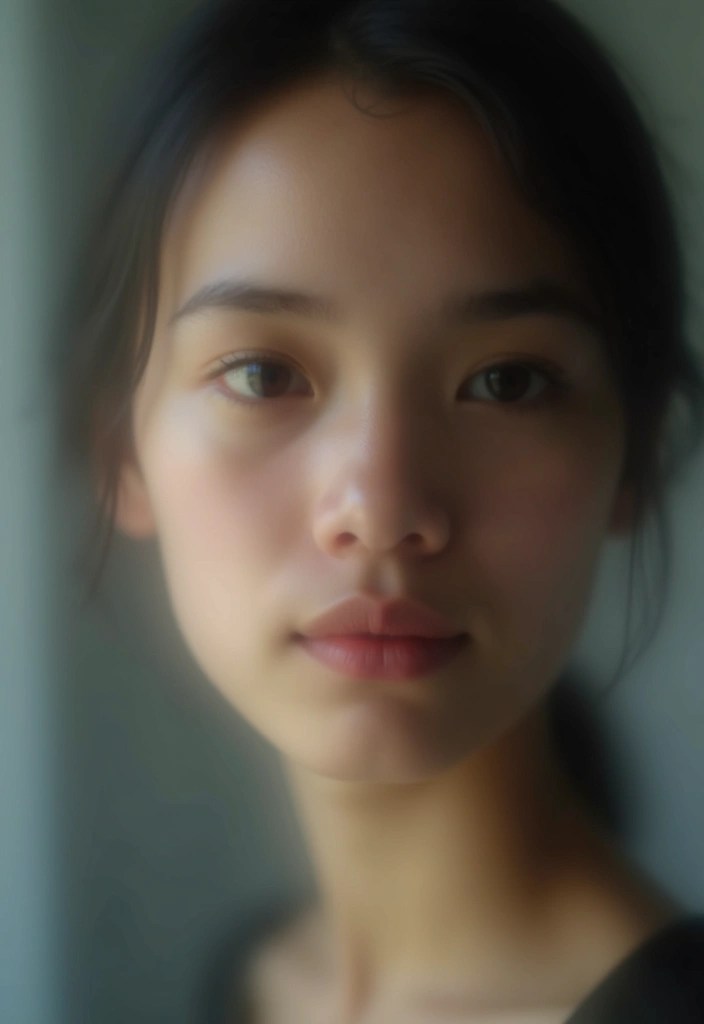
Abstract portraits challenge traditional photography by distorting the human form and exploring emotional expression through unconventional techniques. By manipulating focus, light, or even using creative props, you can convey deeper feelings and narratives.
Consider utilizing reflections, shadows, or unusual angles to create an abstract representation of your subject. This approach allows for a unique exploration of identity and emotion, inviting viewers to connect with the artwork on a personal level.
15. Nature’s Abstracts: Finding Art in the Wild
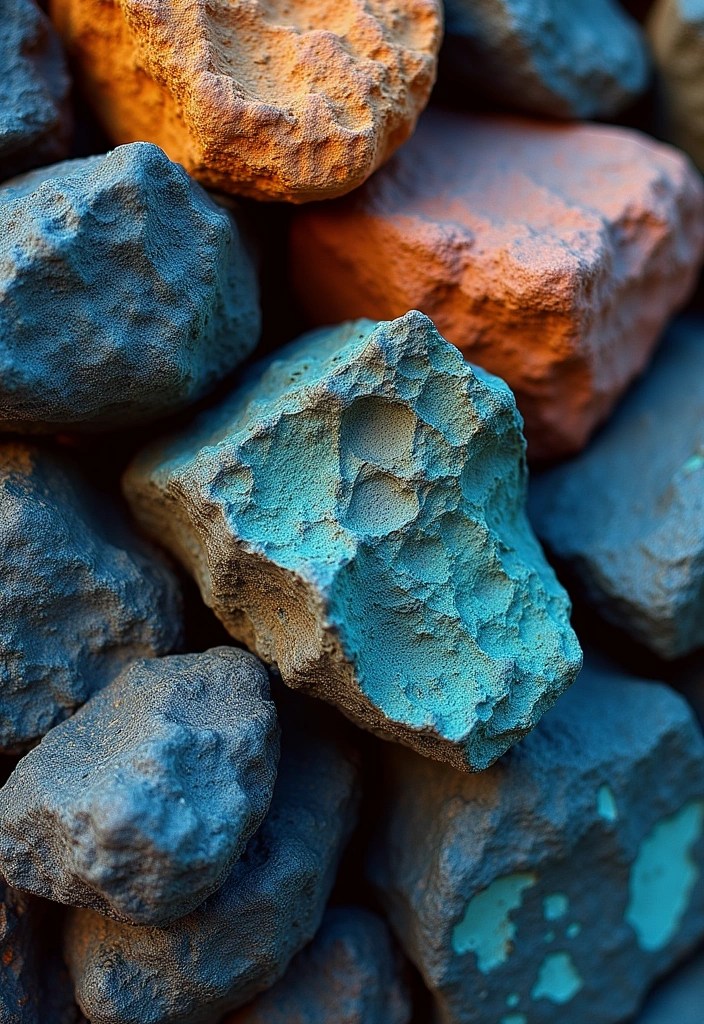
Nature provides a boundless source of abstract photography inspiration, with organic shapes, colors, and textures that evoke emotion and wonder. Look for unique formations in rocks, clouds, or plant life that can be captured in a way that transforms them into abstract art.
Experiment with different perspectives and lighting conditions to highlight the beauty of natural forms. This style encourages a deep appreciation for the environment, emphasizing the artistry inherent in the natural world.
Conclusion: Embrace Your Creative Journey
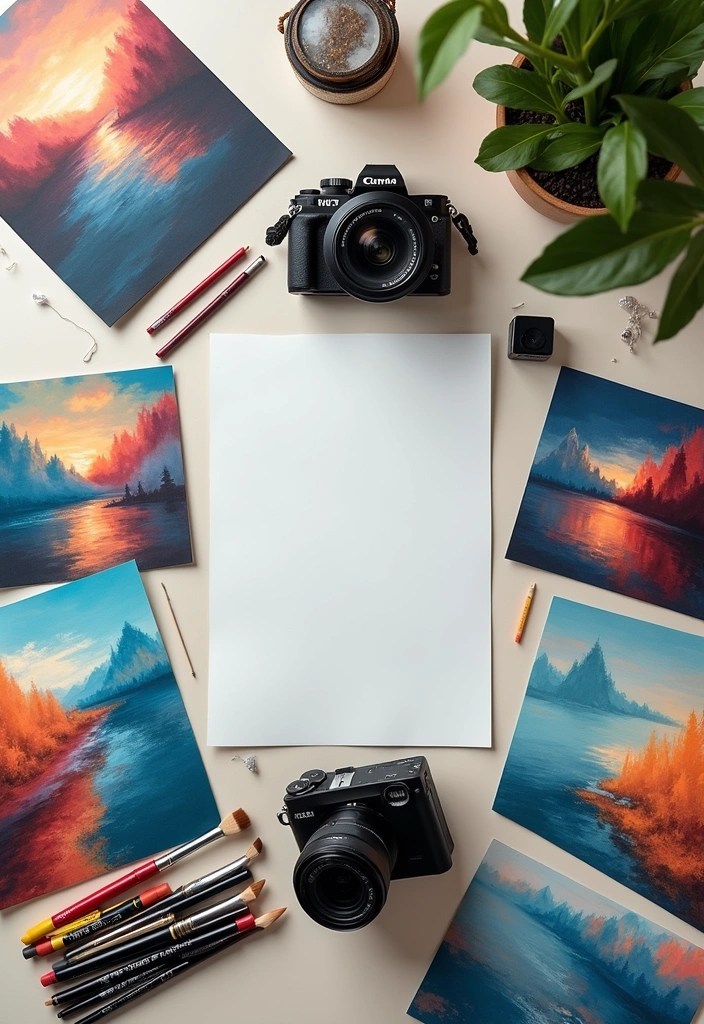
These 15 abstract photography ideas offer a gateway to explore your creativity and express yourself in unique ways.
By experimenting with different techniques and perspectives, you can create captivating visuals that resonate with your audience and push the boundaries of your artistic expression.
 Dreams by Aurora
Leave a comment