
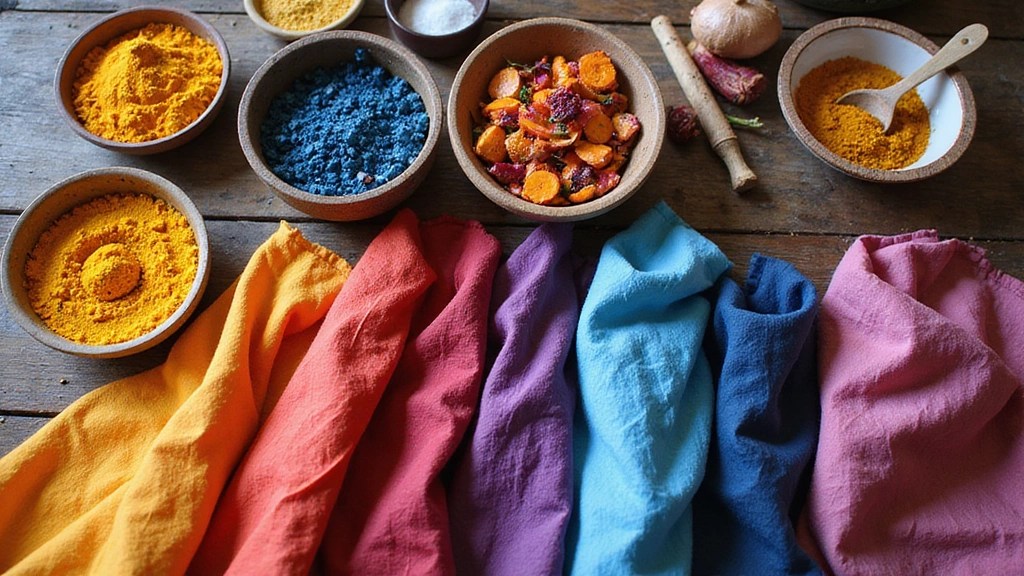
If you’ve ever marveled at the rich colors of textiles and wondered how to achieve these stunning shades without synthetic chemicals, you’re in for a treat!
Natural dyeing methods are not only eco-friendly but also bring a unique charm to your fabric creations, allowing you to connect with nature in a vibrant way. In this article, we’ll unveil ten extraordinary dyeing techniques that tap into the beauty of the natural world, transforming everyday materials into stunning works of art. Whether you’re a seasoned crafter or a curious beginner, you’ll find inspiration and practical tips to embark on your own colorful journey.
From the brilliant hues of flowers to the earthy tones of plants, prepare to be amazed by what nature has to offer. Let’s get started on this colorful adventure!
1. Turmeric Magic
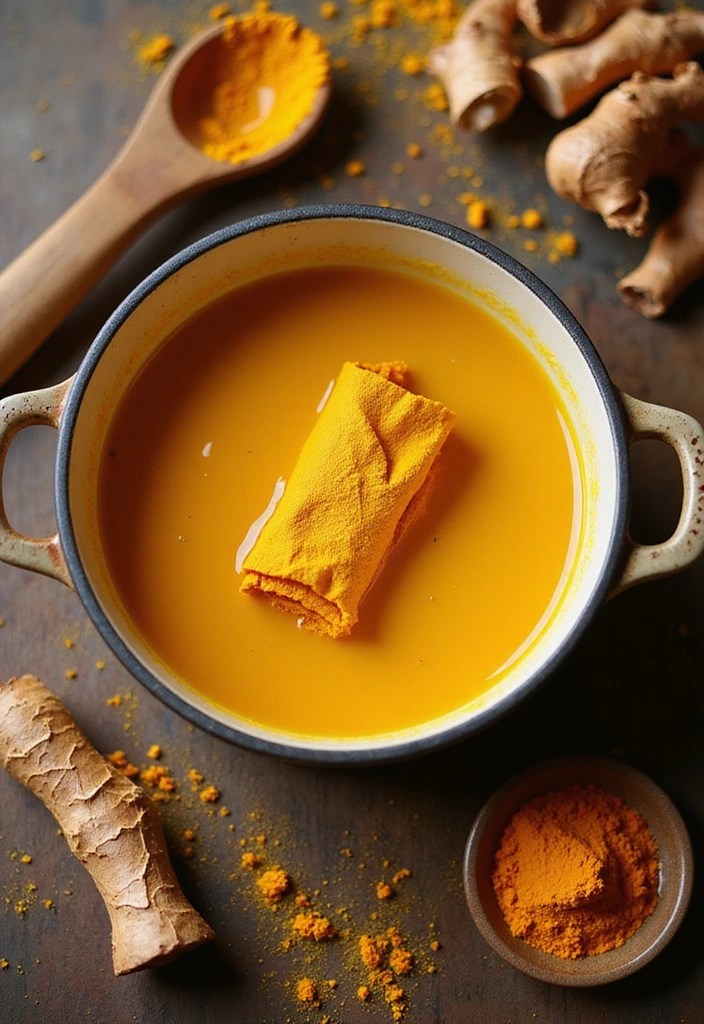
One of the most accessible and striking natural dyeing methods is using turmeric, renowned for its vibrant yellow hue. This spice, often found in kitchens, can transform plain fabric into a sunny masterpiece.
To achieve this, simply boil water with a few tablespoons of turmeric until it reaches a bright, golden color. Submerge your fabric in this mixture, and let it simmer for up to an hour, stirring occasionally. The longer you leave it in, the deeper the shade will become. After dyeing, rinse your fabric in cold water to set the color, revealing a stunning, sun-kissed finish.
What makes turmeric dye so appealing is its natural anti-bacterial properties, making it perfect for items like table linens or clothing that you want to keep fresh. Plus, it’s known to fade gracefully over time, adding a vintage charm to your creations. This method is not only simple but also deeply satisfying, allowing you to create beautifully dyed textiles without harmful chemicals.
2. Avocado Pits and Skins
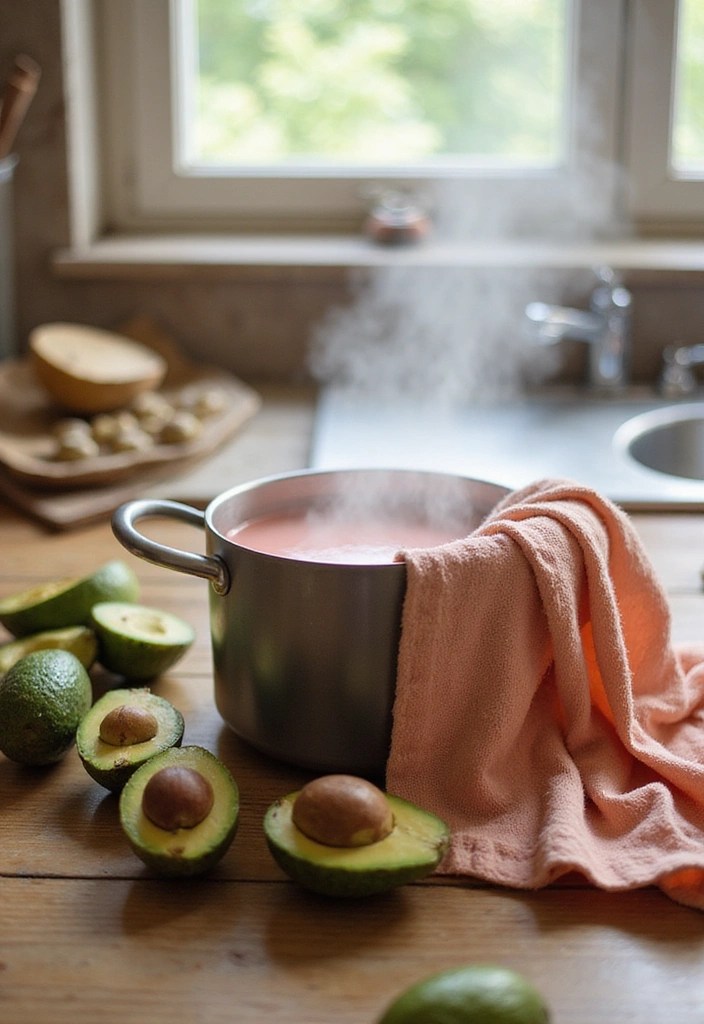
Did you know that the humble avocado can produce stunning pink and peach shades for fabric dyeing? This eco-friendly method is perfect for those looking to repurpose kitchen scraps while creating beautiful textiles.
To start, collect your avocado pits and skins, then simmer them in water for about an hour to extract the dye. The longer you simmer, the darker the color will be. Strain the mixture to separate the solids, and then submerge your fabric into the vibrant liquid. Let it soak for 30 minutes to an hour, depending on the intensity you desire. Once you’re satisfied with the color, rinse and dry your fabric to reveal soft, pastel hues.
This method not only gives you gorgeous colors but also highlights the importance of sustainability by utilizing what would otherwise be waste. Plus, the natural dye can lend a delightful subtle fragrance to your textiles, making them even more special.
3. Red Cabbage Wonders
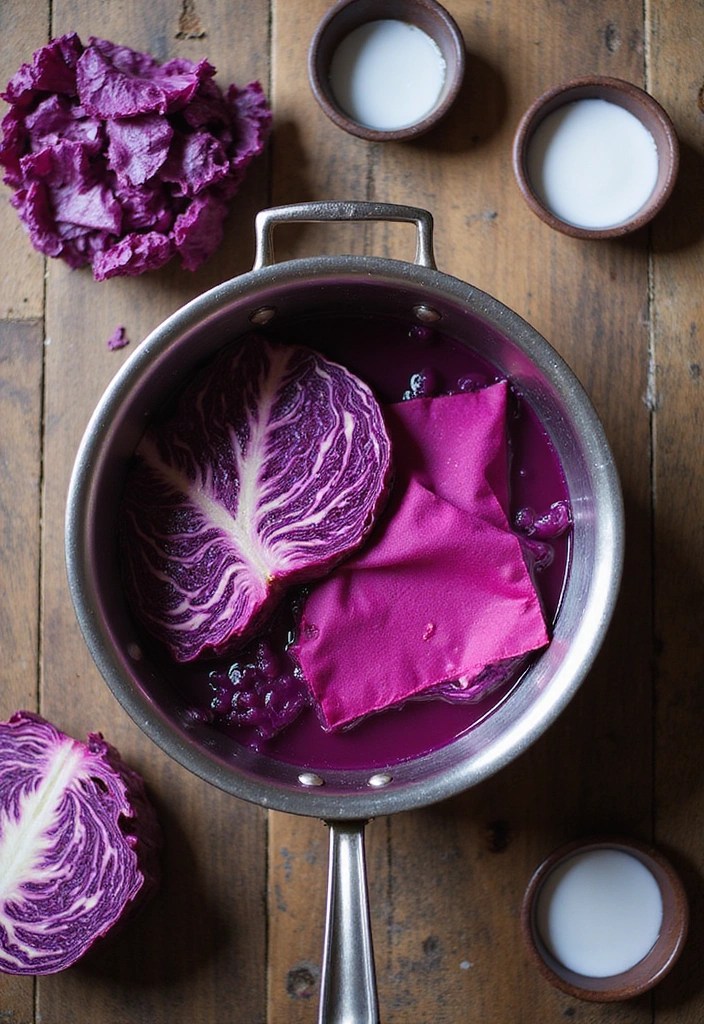
Red cabbage is not just a nutritious vegetable; it also serves as a fantastic natural dye! This method yields a range of colors from deep blue to vibrant purple, depending on the pH level of your dye bath.
To begin, chop a head of red cabbage and boil it in water until the liquid turns a deep, rich purple. For a blue hue, add a splash of baking soda to the dye bath, and for a pinkish shade, add white vinegar. Submerge your pre-washed fabric in this concoction, and witness the magical transformation as it absorbs the color. The dyeing process can take anywhere from 30 minutes to several hours, depending on the desired intensity.
This method is not only fun but educational, allowing you to explore the science of color changes. The resulting shades are vibrant and unique, making your fabrics stand out in an eco-friendly way.
4. The Unexpected Beetroot Dye
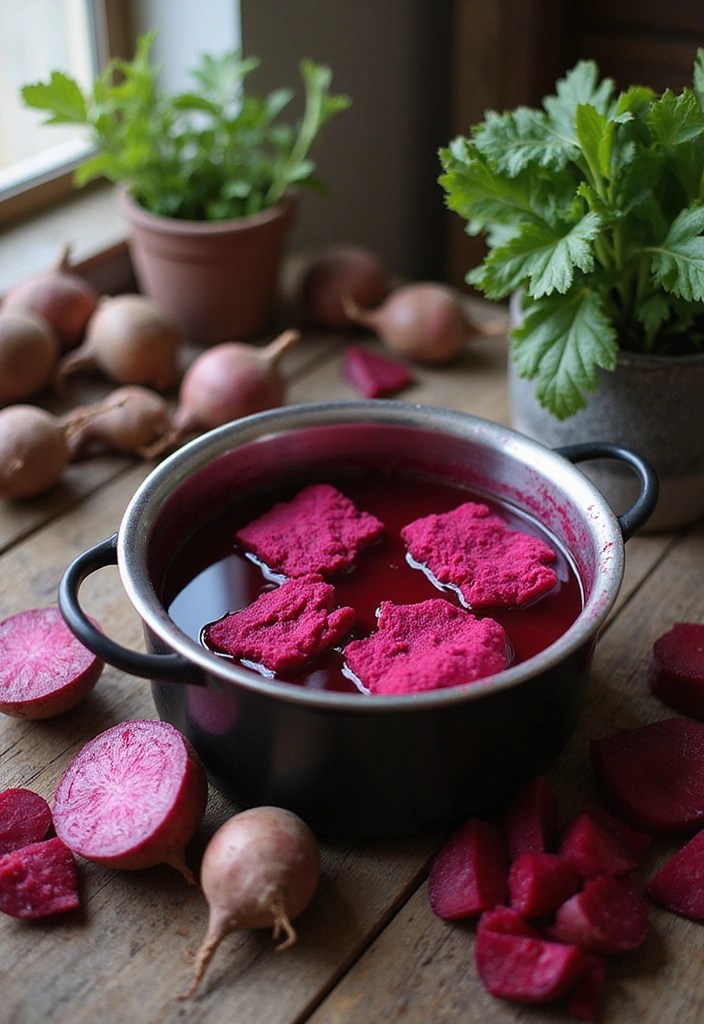
Get ready to be amazed by beetroot, a vegetable that yields stunning deep reds and purples, perfect for creating vibrant fabrics! This natural dyeing method is not only easy but also offers a beautiful color that can brighten up any textile.
Start by boiling chopped beetroot in water until the liquid becomes a rich, dark hue. For best results, let it simmer for about an hour. Strain the liquid to remove the solids, then soak your fabric in this gorgeous dye bath. Depending on the time you leave it in, you can achieve various shades, from soft pinks to deep burgundies. After dyeing, rinse in cold water to set the color.
What’s particularly exciting about beetroot dye is that it’s completely natural and safe, making it ideal for children’s clothing or household items. Plus, the process engages all your senses, from the earthy aroma of beets to the vibrant colors you’ll create, ensuring a delightful DIY experience!
5. The Art of Onion Skins
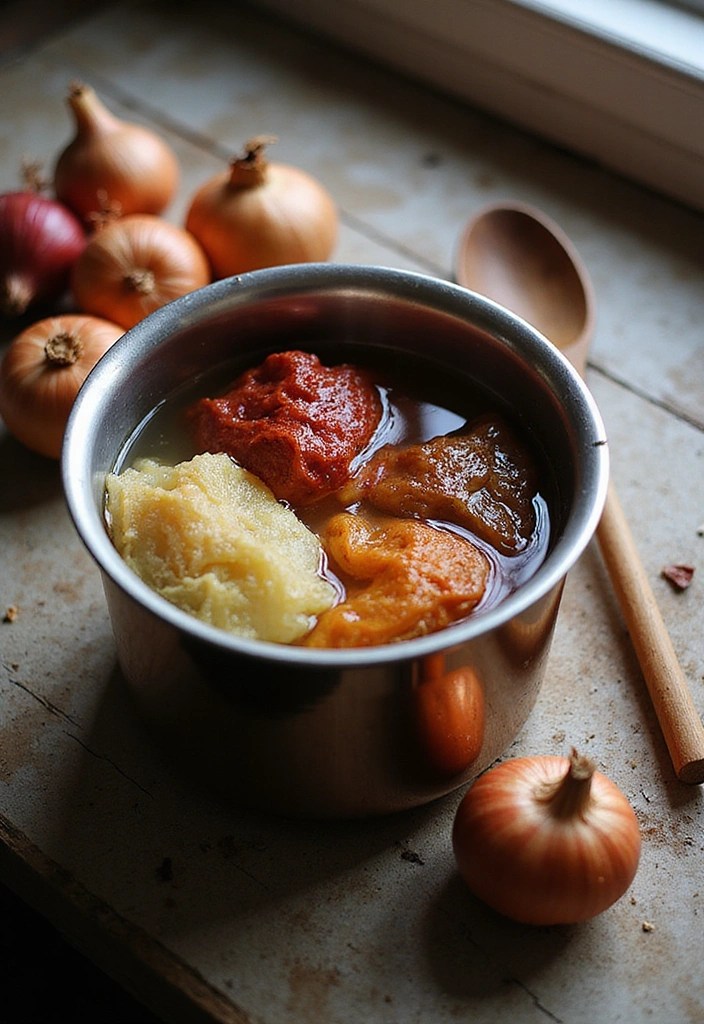
Onion skins are often discarded, but they hold the secret to creating beautiful golden and earthy tones in fabric dyeing. This method is incredibly simple and yields surprisingly rich results.
To get started, collect dry onion skins—yellow and red skins will produce different shades. Boil the skins in water for about an hour until the liquid turns a vibrant yellow or orange. Once ready, strain the liquid, and immerse your fabric in the dye bath for 30 minutes to an hour. The longer the fabric sits, the deeper the color will become.
This technique not only champions sustainability by utilizing a kitchen waste product but also results in warm, inviting hues that can complement any home decor. The beauty of onion skin dyeing lies in its unpredictability; each batch can yield slightly different results, adding a unique touch to your projects.
6. Coffee and Tea Dyeing

Your morning brew can do more than just wake you up; it can also be a powerful natural dye! Coffee and tea can create a range of warm, muted tones that are perfect for fabric dyeing.
To use coffee or tea as a dye, simply brew a strong batch using more grounds or leaves than usual. Once brewed, allow the liquid to cool slightly. For coffee, simmer your fabric in the liquid for about 30 minutes, while with tea, you can steep the fabric in the cooled brew for a few hours to achieve the desired shade. Rinse the fabric after dyeing to set the color.
This method not only produces beautiful, earthy tones but also offers a delightful aroma to your fabric. It’s a fantastic way to upcycle old linens or garments, giving them a fresh, vintage look. Plus, it’s a fun way to repurpose leftover coffee and tea, making it a waste-free crafting project.
7. Nature’s Indigo

Indigo dyeing is a revered technique that has been used for centuries, producing stunning blue shades that are simply iconic. The process can be a bit more involved than others, but the results are well worth it.
To create your own indigo dye, you’ll need to ferment indigo leaves in a solution of water and an alkali, allowing the dye to develop over several days. Once ready, dip your fabric in the dye bath, and watch as it transforms from green to blue as it oxidizes in the air. This magical process creates a depth of color that synthetic dyes simply can’t replicate.
Indigo dyeing is celebrated not only for its beauty but also for its cultural significance in many societies. With patience and practice, you can master this ancient art, creating one-of-a-kind pieces that carry a rich history. The allure of indigo is timeless, making any project feel truly special.
8. Black Walnut Dyeing
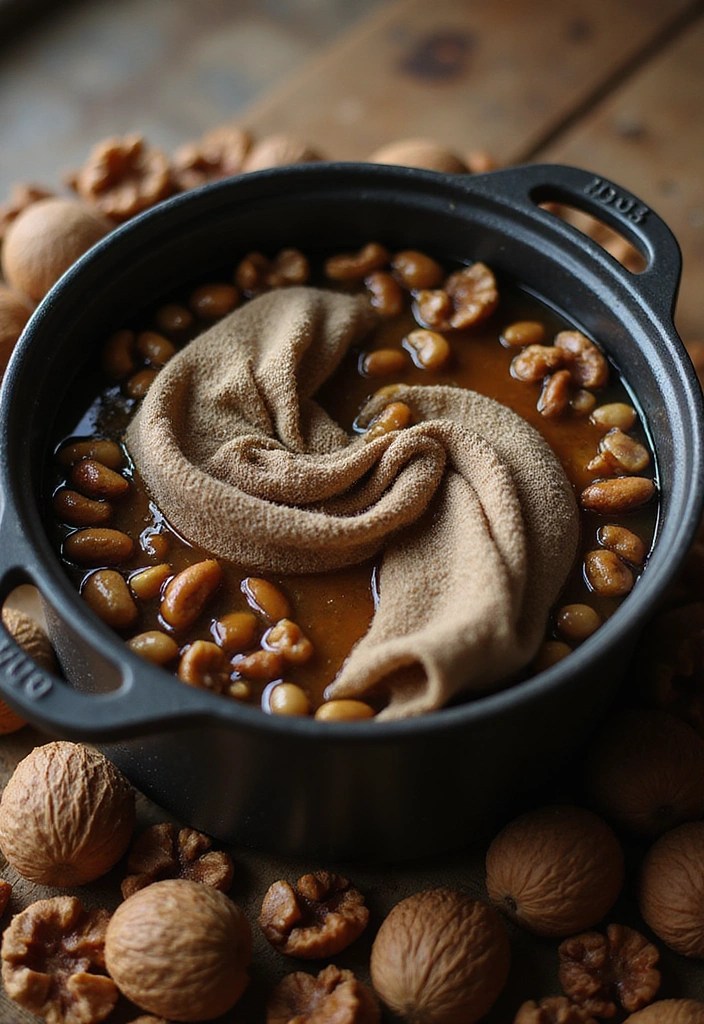
Black walnuts are a hidden gem for natural dyeing, offering deep, rich brown and black hues that can add depth and elegance to any fabric. This method taps into the natural pigments found in the hulls of the walnuts, making it a great choice for earthy tones.
To get started, gather black walnut hulls and boil them in water for several hours to extract the dye. After straining the mixture, you can soak your fabric in the dye bath for an hour or more, depending on the desired color intensity. The resulting shades can range from light tan to dark chocolate, offering a versatile palette for your crafting projects.
What’s particularly fascinating about walnut dyeing is its historical use in textiles, connecting crafters with traditional practices. The rich hues of black walnut dye lend an organic feel to fabrics, making them perfect for everything from quilts to clothing.
9. The Beauty of Marigolds
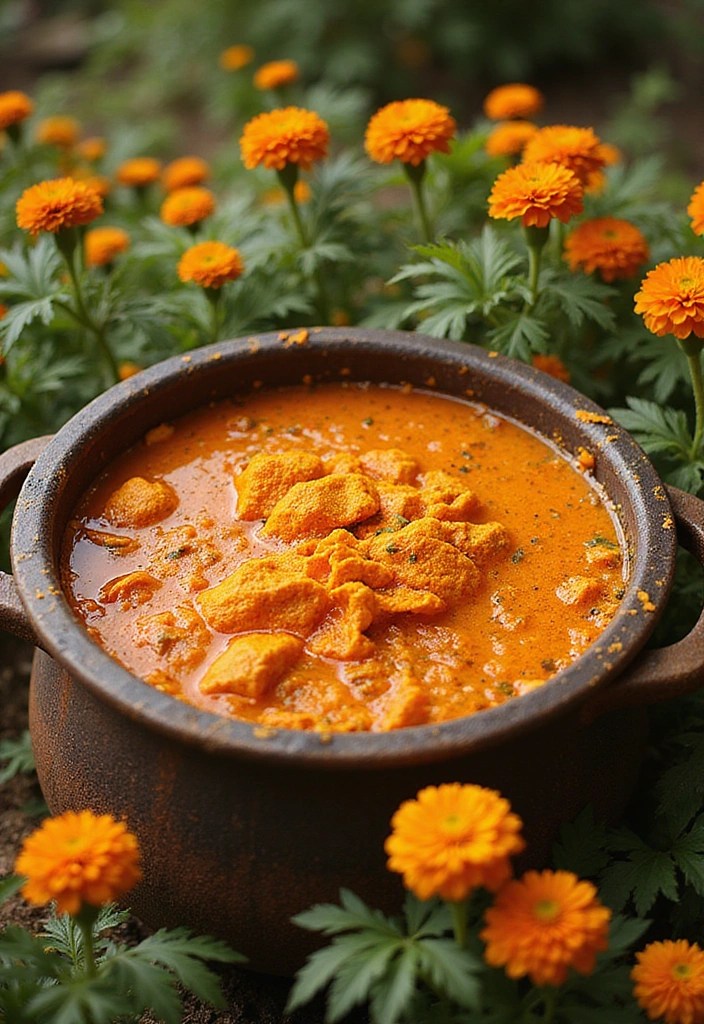
Marigolds are not only beautiful garden flowers but also excellent for creating vibrant yellow and orange dyes. This method is perfect for adding a pop of color to your fabric projects while being eco-friendly.
To dye with marigolds, collect the flower heads and boil them in water to extract their vibrant color. After straining, immerse your fabric into the dye bath for about an hour. The longer the fabric remains in the dye, the more intense the color will become. Rinse in cool water to set the dye.
What’s lovely about marigold dyeing is the cheerful hues it produces, which can brighten any item, from garments to table linens. This method celebrates the beauty of nature and encourages sustainable crafting practices, making it a delightful addition to any DIY enthusiast’s repertoire.
10. The Magic of Eucalyptus
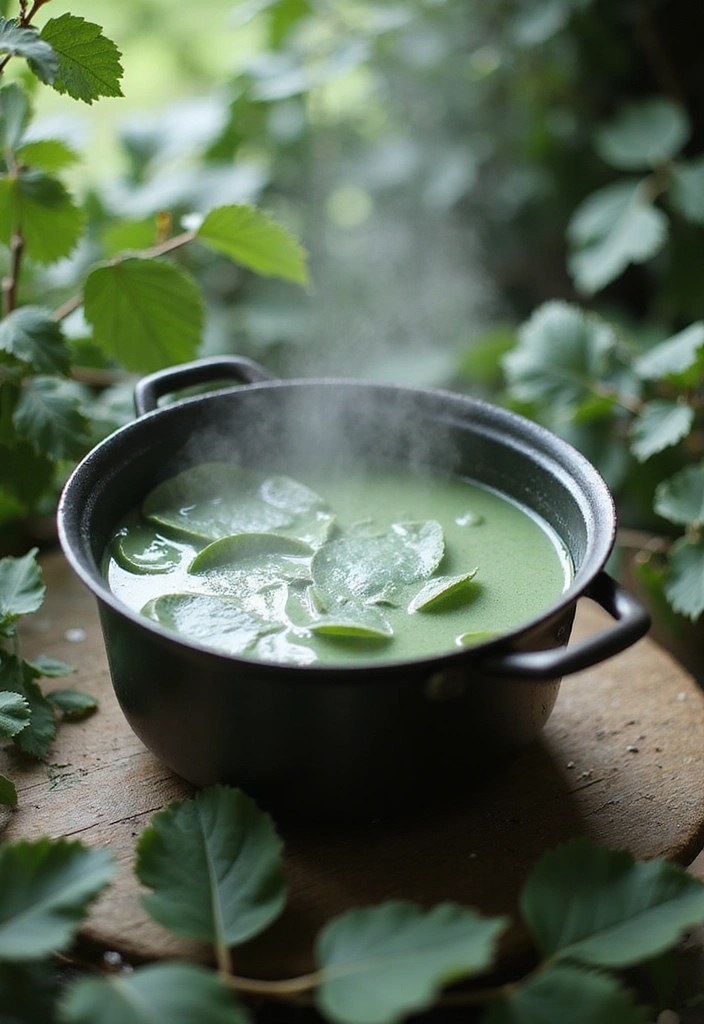
Eucalyptus leaves offer a unique opportunity to create beautiful, muted shades of green and blue. This method is less known but incredibly rewarding for those seeking to experiment with natural dyes.
To begin, gather fresh eucalyptus leaves and boil them in water to extract the color. The longer you steep the leaves, the darker the dye will become. Once you’ve achieved the desired hue, strain the liquid and soak your fabric for about an hour. Rinse to set the color, revealing soft, earthy tones that celebrate the beauty of nature.
Eucalyptus dyeing is not only eco-friendly but also promotes sustainability by using plant material in a creative way. The unique colors derived from eucalyptus can add a soothing, organic touch to your textiles, making them perfect for home decor or fashion projects.
Conclusion

Natural dyeing is an incredible way to infuse your fabric projects with color and creativity while embracing eco-friendly practices.
Each method discussed not only highlights the beauty of nature but also encourages sustainable crafting, allowing you to repurpose materials and reduce waste. We hope this journey into the world of natural dyes inspires you to experiment and explore your own unique textile creations. Share your projects with us and let the vibrant colors of nature inspire your crafting adventures!
 Dreams by Aurora
Leave a comment